

Our History
Forsyth School was founded in 1961 as a small preschool in a house leased from the Unity Christ Church on Forsyth Boulevard. Founder Mary Dunbar established an environment for creative learning using methods and materials now considered ahead of their time. Soon, a small, non-graded primary school was added for 15 children ages 5–7 whose families wanted to stay at Forsyth. The school expanded by one grade level each year and graduated its first sixth-grade class in 1970. Forsyth had grown to become a highly respected, independent elementary school in an astonishingly brief period.
Chronological History of Forsyth School
Forsyth's campus consists of six historic homes, acquired one by one throughout the school's 65-year history. All six were built in the 1920s and are listed on the National Register of Historic Places. Each has been renovated to accommodate classrooms, administrative offices, a library, science labs, and lunchrooms. The adjoining backyards of the six homes—three each on the parallel streets of Wydown and Forsyth Boulevard—create a large inner-campus courtyard featuring playgrounds, garden beds, athletic spaces, and green spaces. Through the years, new construction has enhanced the campus with the addition of The Rand Center for Performing Arts & Athletics (including the Adventure Center featuring a high ropes course, climbing wall, and high beam), The Falcon's Nest (home of the Eyas Program for ages 2–3), and campus-wide infrastructure updates to support teaching and learning.
The unique campus supports Forsyth’s culture of challenge and defines the educational experience as students grow from grade to grade and move from house to house. This allows children to develop a sense of place as they navigate the campus daily for specialist classes.
Heads of School
-
Mary Dunbar recruited teachers who shared her philosophy and vision for an environment of creative learning that emphasized independence, confidence, and self-discipline. Forsyth grew quickly from an enrollment of 14 preschool children in 1961 to 270 students in Pre-Kindergarten through Grade 6 by 1970. In 1974, Forsyth received accreditation from the Independent Schools Association of the Central States (ISACS).
Fillmore House was acquired in 1965 and officially purchased in 1968. Dunbar House was acquired in 1977 for Grades 2–6.
-
Ellen Mutrux served as interim for one year following the retirement of Mary Dunbar, after many years as a science and math teacher at Forsyth. Together, Ellen and Mary developed Forsyth's Summergrowth program.
-
Barbara Skimming focused on evaluating and improving the curriculum and facilities to best prepare students for secondary school. Admission testing also began. A social studies curriculum was developed, grammar and spelling were emphasized, and French and Latin were taught. Forsyth became part of the Education Confederation of St. Louis, the Missouri Association of Independent Schools, and the National Association of Independent Schools (NAIS), thereby entering the mainstream of the independent school community.
A two-story addition to Dunbar House was completed in 1982; additions to Fillmore House and playground improvements were completed in 1985–86.
-
Dr. Rebecca Glenn led Forsyth through a period of expansion that encompassed every aspect of the school, with support from a highly entrepreneurial Board of Trustees and administration. During this era, the campus doubled in size; old facilities were improved, and new facilities were added. Forsyth invested substantially in curriculum development and alignment, as well as the technology for curriculum support. Finally, financial aid and fundraising were both instituted. Enrollment grew with the campus, reaching nearly 400 students in 2006/07. Forsyth emerged as a highly respected, leading independent elementary school in St. Louis.
New House was purchased and renovated in 1989; Gerdine House was purchased and renovated in 1995; Last House was bought and renovated in 1996; and The Rand Center for Performing Arts & Athletics was built in 1997. A four-classroom addition to Last House was completed, and the Sport Court was built in 1998–99. Falcon Field and the Williams Walled Garden were built in 2004. The Adventure Center, with a high ropes course, climbing wall, and high beam (built in 1998), was constructed in The Rand Center in 2006. The Rebecca Glenn Playgrounds opened in 2007.
-
Michael Vachow focused on refining the organizational structure and systems appropriate to a mature educational institution. Forsyth completed two strategic plans and developed a campus facilities plan during this time. Campus expansion included the acquisition of two adjacent properties and an accompanying capital campaign for campus improvements and endowments.
Forsyth purchased a ½-acre lot from St. Louis Hillel at Washington University in 2011 and transformed the land into the Big Backyard in 2013. Next House was purchased in 2012; Last House and Next House were renovated in 2013. Fillmore House was fully renovated in 2015.
-
Timothy Burns served as interim for one year following Mike Vachow's departure.
-
Daniel Hildebrand led Forsyth through the global COVID-19 pandemic of 2020/21, reaccreditation with the Independent Schools Association of the Central States (ISACS), and the adoption of a new mission, vision, and values through a strategic planning process. Also in 2020/21, Forsyth developed and launched a new Eyas Program for ages 2–3, which served 13 children in its inaugural year. Total enrollment remained stable at 355–365 students.
The stand-alone Science Center adjacent to Fillmore House was transformed into the Falcon's Nest in 2020 for the Eyas Program. The Science Center was relocated to a newly renovated Upper Division Science Lab on the third floor of New House. The Forsyth Boulevard parking lots were renovated in 2021.
-
FRobert Butler joined Forsyth in the summer of 2021. Innovation & Design (I&D) was officially launched in 2022/23 as a new specialist subject area for students in Senior-Kindergarten through Grade 6. Enrollment reached 394 during the 2025/26 school year.
Our Historic Homes
Forsyth’s unique campus setting contributes to its culture. Each historic home, manageable in size for a child, maintains its own character and identity. Forsyth students and their families consider the transition from house to house by grade a special rite of passage. This allows children to develop a sense of place as they become more familiar and comfortable with the campus and community.
Forsyth’s six historic homes are all listed on the National Register of Historic Places as part of the Wydown-Forsyth Historic District by the U.S. Department of the Interior.
Fillmore House [Forsyth]
Built: 1925; Renovated: 2015
Acquired: 1965
Architect: Albert Meyer
Gerdine House [Forsyth]
Built: 1926; Renovated: 2003
Acquired: 1995
Architect: Maritz & Young
New House [Forsyth]
Built: 1927; Renovated: 2004/05
Acquired: 1989
Architect: Maritz & Young
Last House [Wydown]
Built: 1928; Renovated: 2013
Acquired: 1996
Architect: Nolte & Nauman
Next House [Wydown]
Built: 1929; Renovated: 2013
Acquired: 2012
Architect: Dan Mullen
Dunbar House [Wydown]
Built: 1930
Acquired: 1977
Architect: Nolte & Nauman


Our Chronology
1961
Forsyth School is founded by Mary Dunbar, opening with 14 preschool students in the Unity School of Christianity building at 6214 Forsyth Boulevard.
1963
An adjoining garage is converted into a classroom for 15 children ages 5–7.
1965
The Fillmore Foundation buys the house at 6224 Forsyth Boulevard for Forsyth with the understanding that the school will eventually purchase it from them.
1968
Forsyth School purchases Fillmore House, its first property, and continues to lease the Unity School of Christianity building through 1971.
1970
Forsyth School’s enrollment reaches nearly 275 students.
1974
Forsyth receives accreditation from the Independent Schools Association of the Central States (ISACS).
1977
Forsyth acquires Dunbar House at 6235 Wydown Boulevard for Grades 2–6, named in honor of Forsyth’s founder upon her retirement.
Ellen Mutrux is named Interim Head of School.
1978
Barbara Skimming is named Forsyth’s new Head of School.
1982
A two-story addition to Dunbar House is completed.
1985/86
Additions to Fillmore House and playground improvements are completed.
Rebecca Glenn, Ph.D., is named Forsyth’s new Head of School.
1989
The Forsyth community raises $550,000 to purchase and renovate New House at 6226 Forsyth Boulevard.
1995
Forsyth purchases and renovates Gerdine House at 6244 Forsyth Boulevard.
1996
Forsyth purchases and renovates Last House at 6245 Wydown Boulevard.
1997
The Rand Center for Performing Arts & Athletics is built.
1998/99
A four-classroom addition to the north end of Last House is completed.
The Sport Court is built.
2001
Forsyth School purchases the former church property at 305 S. Skinker Boulevard.
The New House Lunchroom is renovated.
2003
The Gerdine House Lunchroom and third floor are renovated.
2004
The campus swimming pool is removed.
The Fillmore House Science Lab is renovated.
New House is renovated, and the Williams Walled Garden is built.
2005
The New House Arts Center addition is completed.
2006
The Adventure Center is constructed in The Rand Center.
2006/07
Forsyth School’s enrollment reaches an all-time high of nearly 400 students.
2007
The Rebecca Glenn Playground is built in the center of campus, named for Forsyth’s longest-serving Head of School upon her retirement.
Michael Vachow is named Forsyth’s new Head of School.
2011
Forsyth School purchases a ½-acre lot from St. Louis Hillel at Washington University and sells the church property at 305 S. Skinker Boulevard.
2012
Forsyth purchases Next House at 6255 Wydown Boulevard.
2013
Last House and Next House are renovated.
The St. Louis Hillel lot is transformed into the Big Backyard.
2014
Forsyth School launches the Back to Our Roots native plant landscaping project.
2015
Fillmore House is fully renovated.
Forsyth installs a campus-wide emergency alarm and public address system.
2017
Timothy Burns, Ph.D., is named Interim Head of School.
2018
Daniel Hildebrand is named Forsyth’s new Head of School.
2020
The stand-alone Science Center adjacent to Fillmore House is transformed into The Falcon’s Nest for Forsyth’s new Eyas Program for ages 2–3.
The Science Center is relocated to a newly renovated Science Lab on the third floor of New House.
2021
The Forsyth Boulevard parking lots are renovated.
Robert Butler, Jr., is named Forsyth’s new Head of School.
2022
Innovation & Design (I&D) is launched as a new specialist subject area for students in Senior-Kindergarten through Grade 6.
2025
An EF3 tornado hits Forsyth School’s campus, resulting in the loss of several hundred-year-old trees and requiring full renovation of the Main Playground.
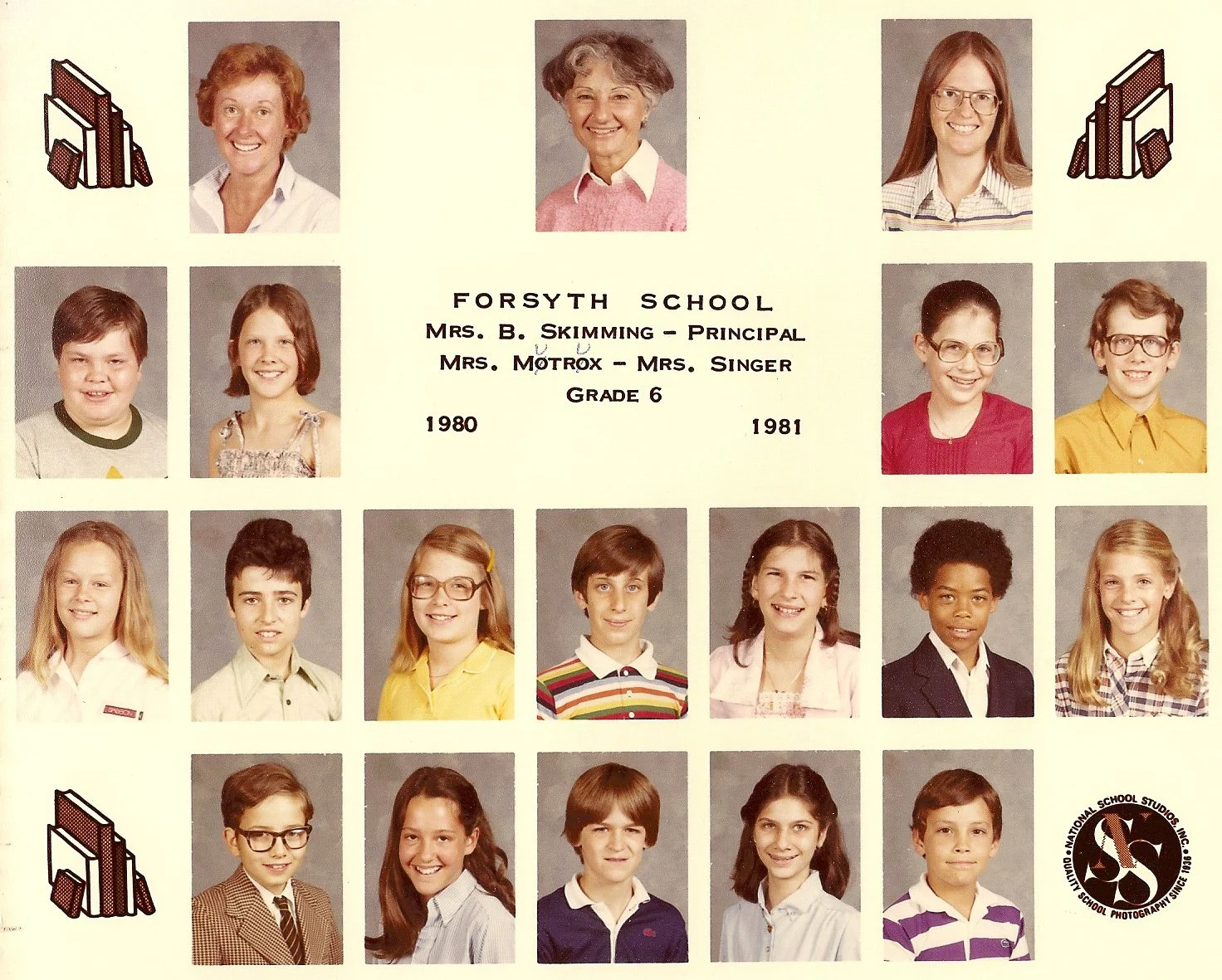
Class of 1981
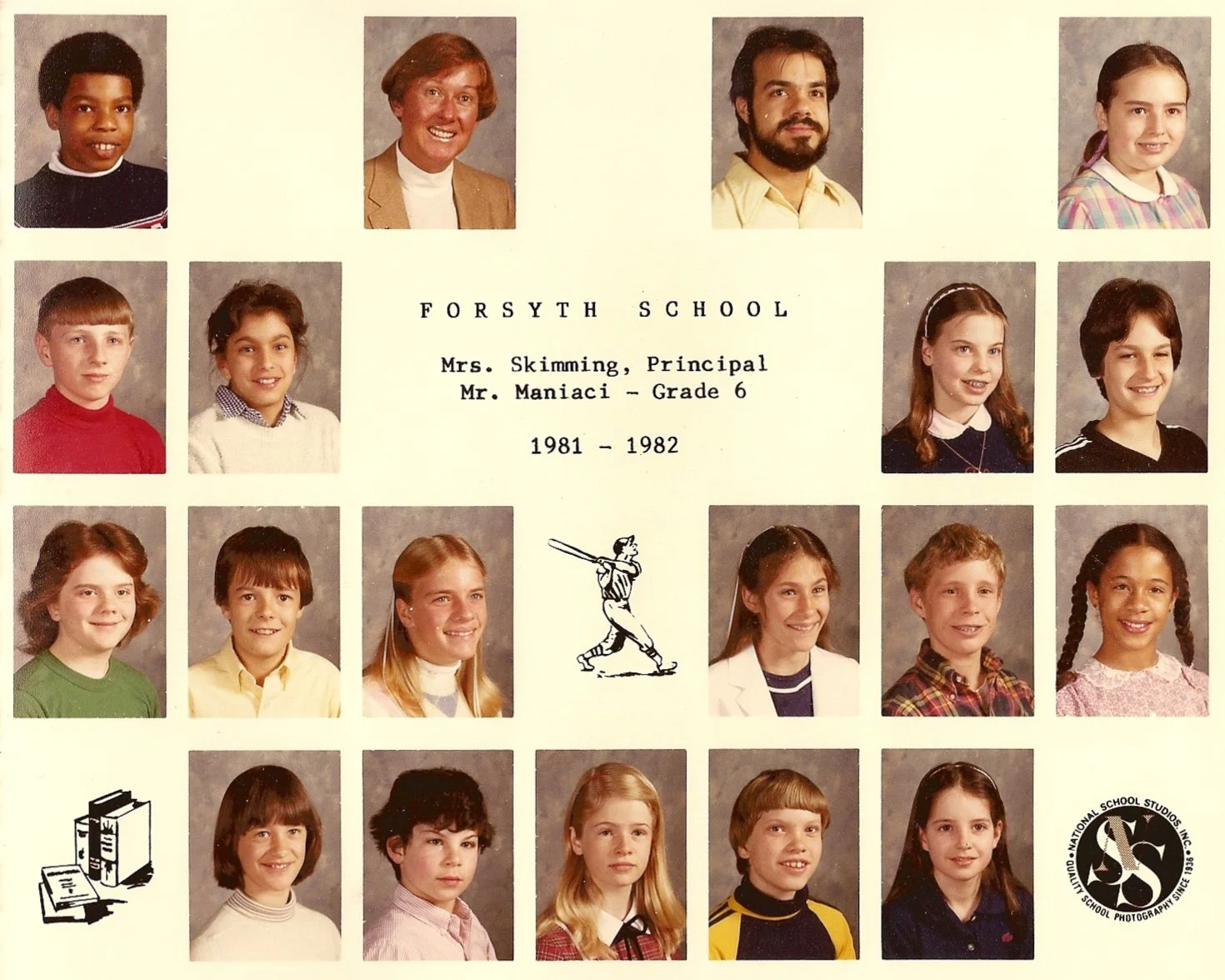
Class of 1982
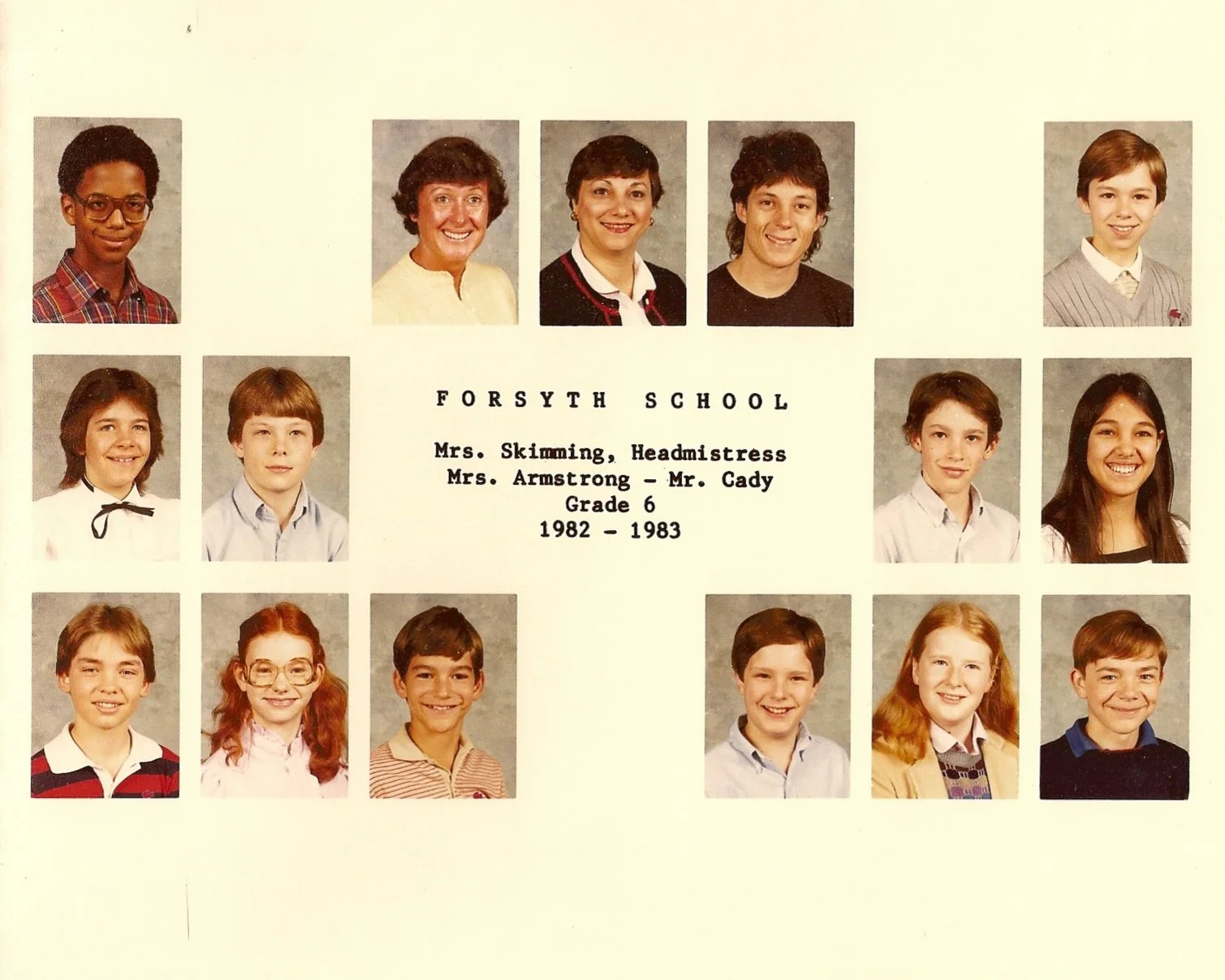
Class of 1983
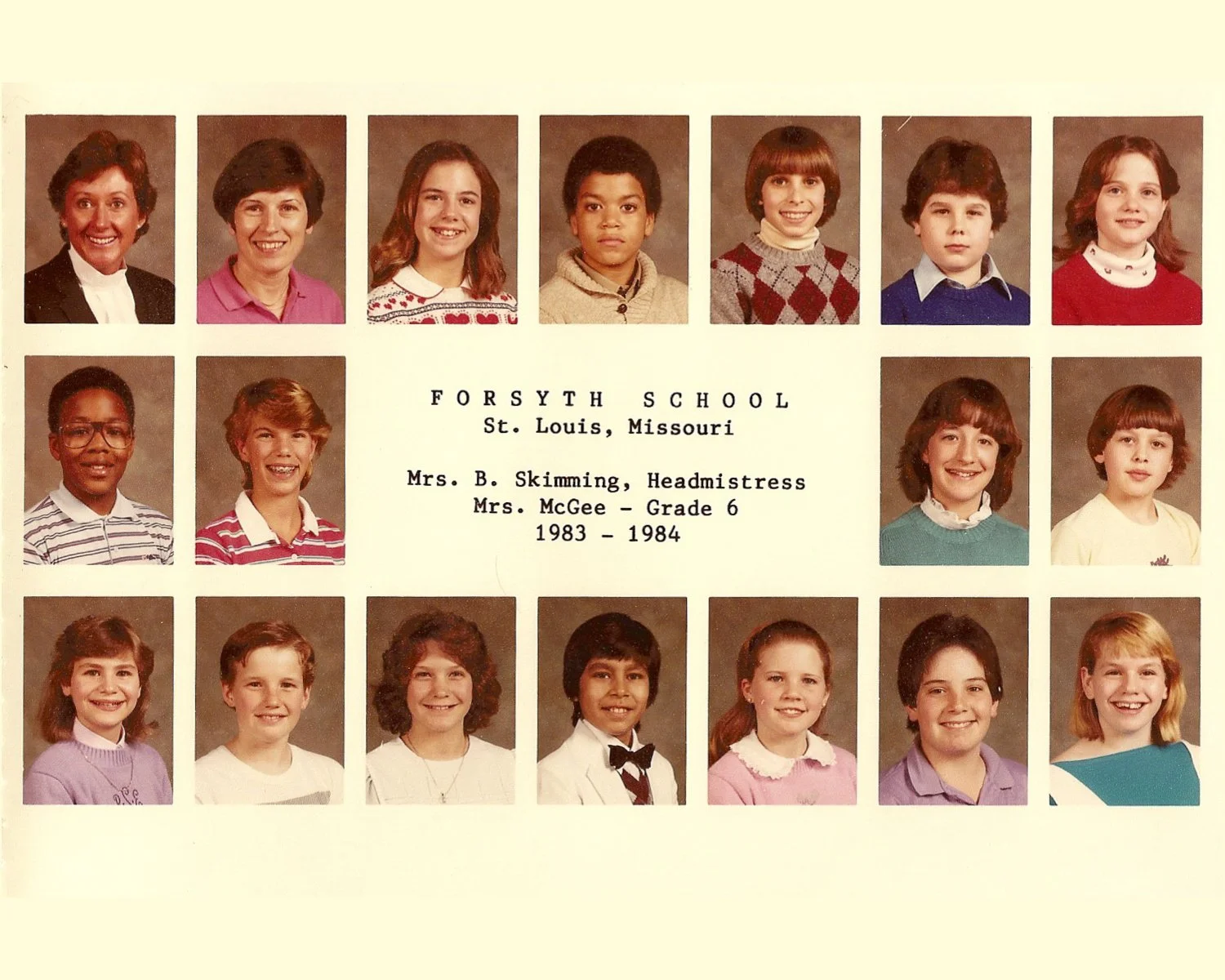
Class of 1984
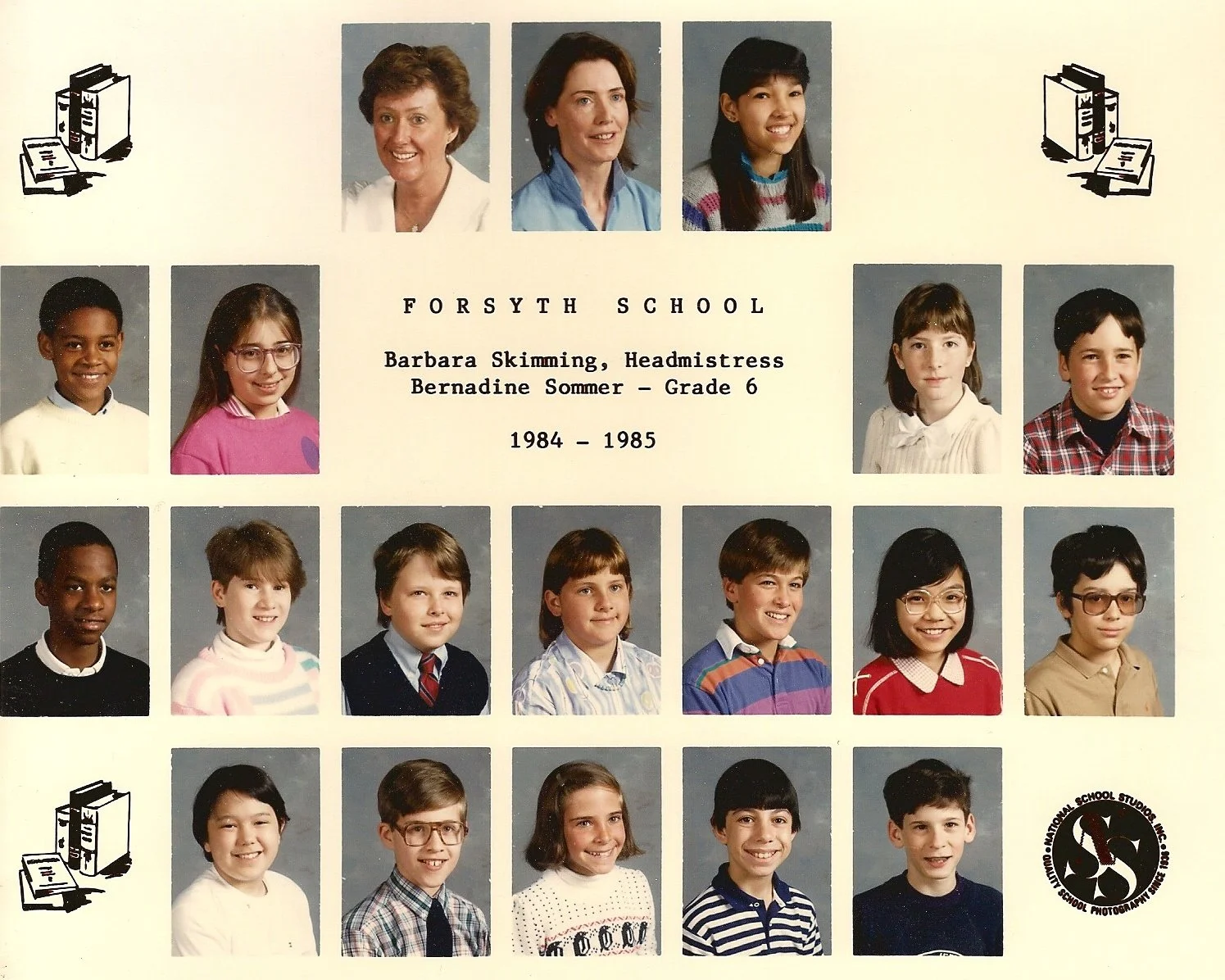
Class of 1985
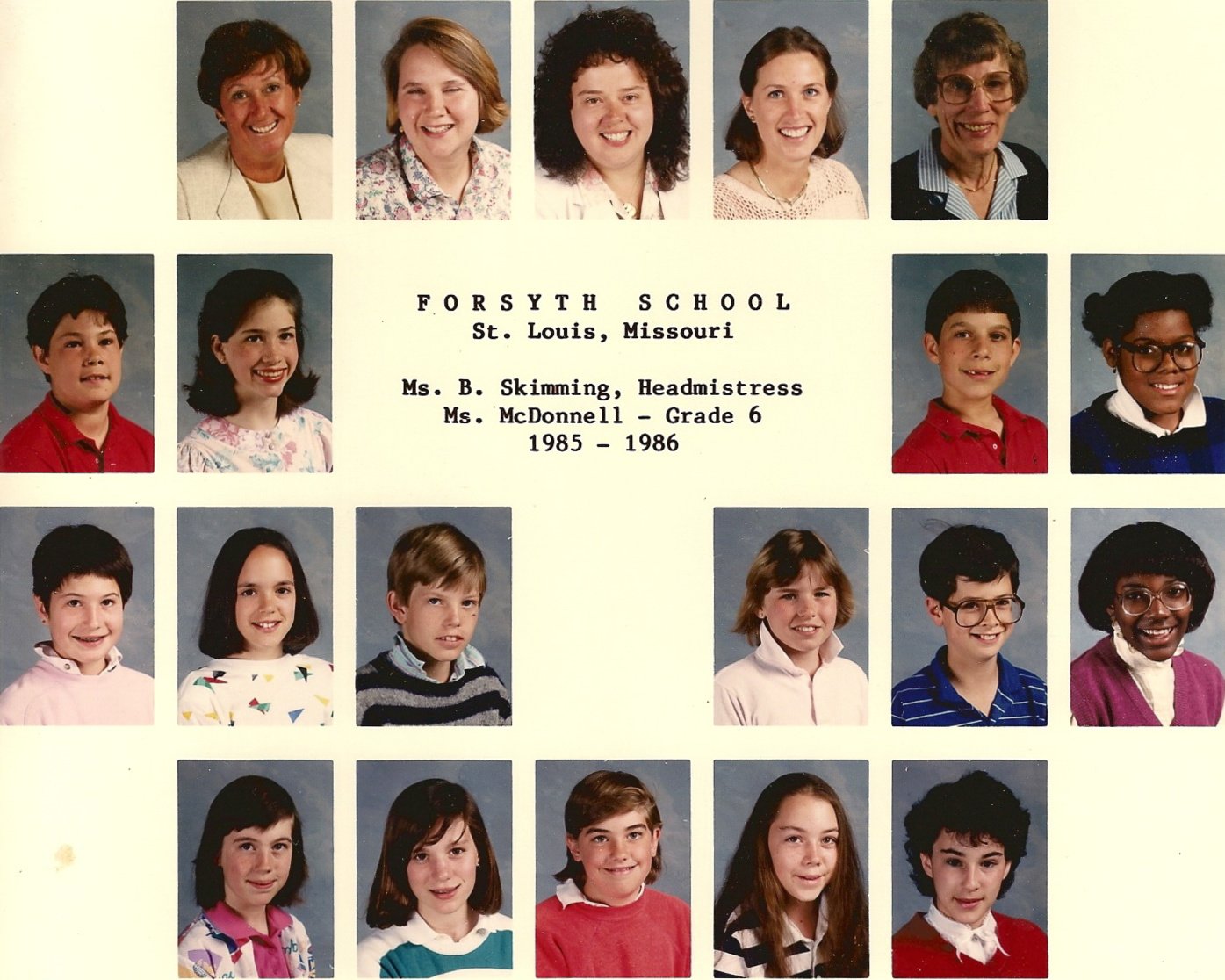
Class of 1986

Class of 1987
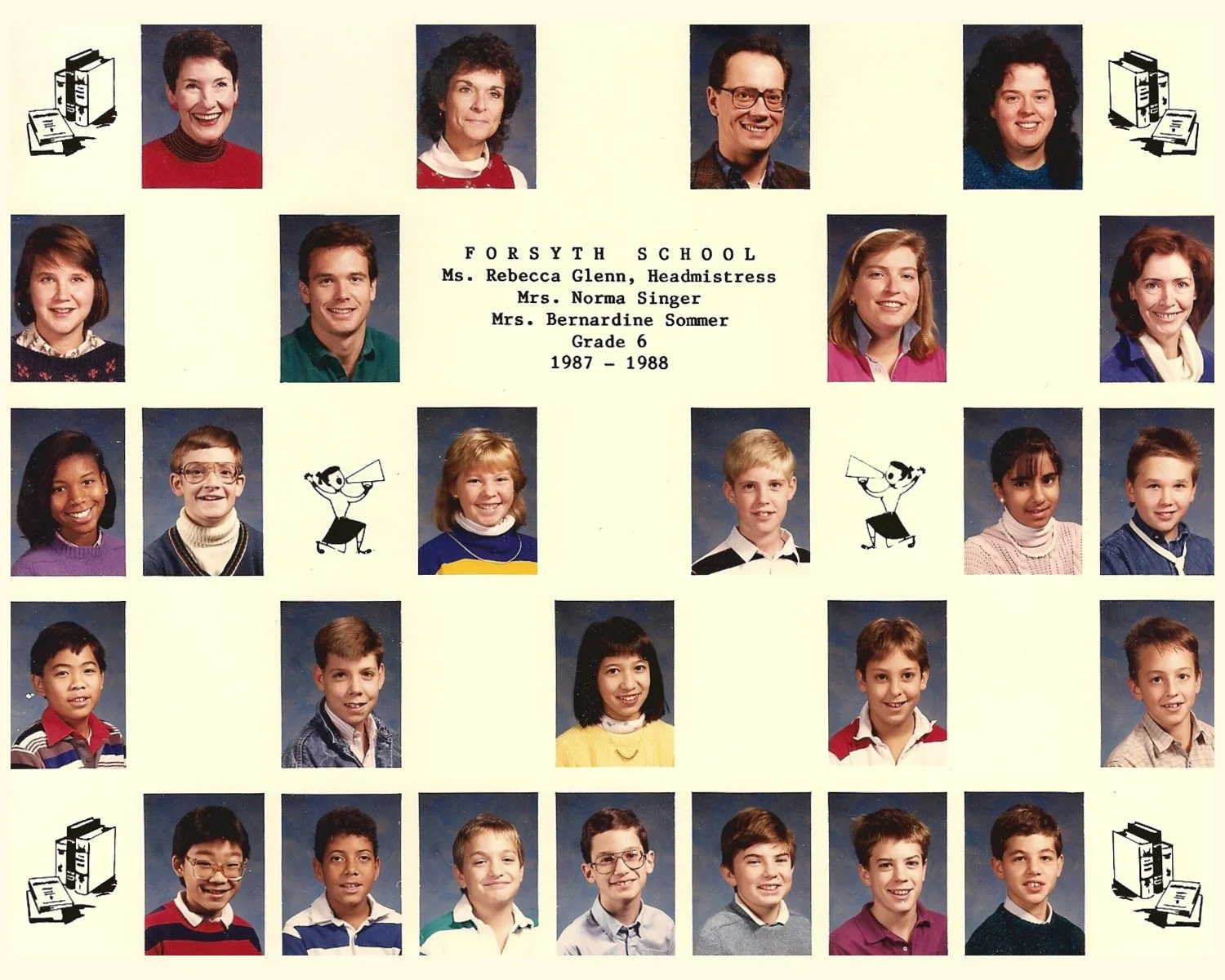
Class of 1988
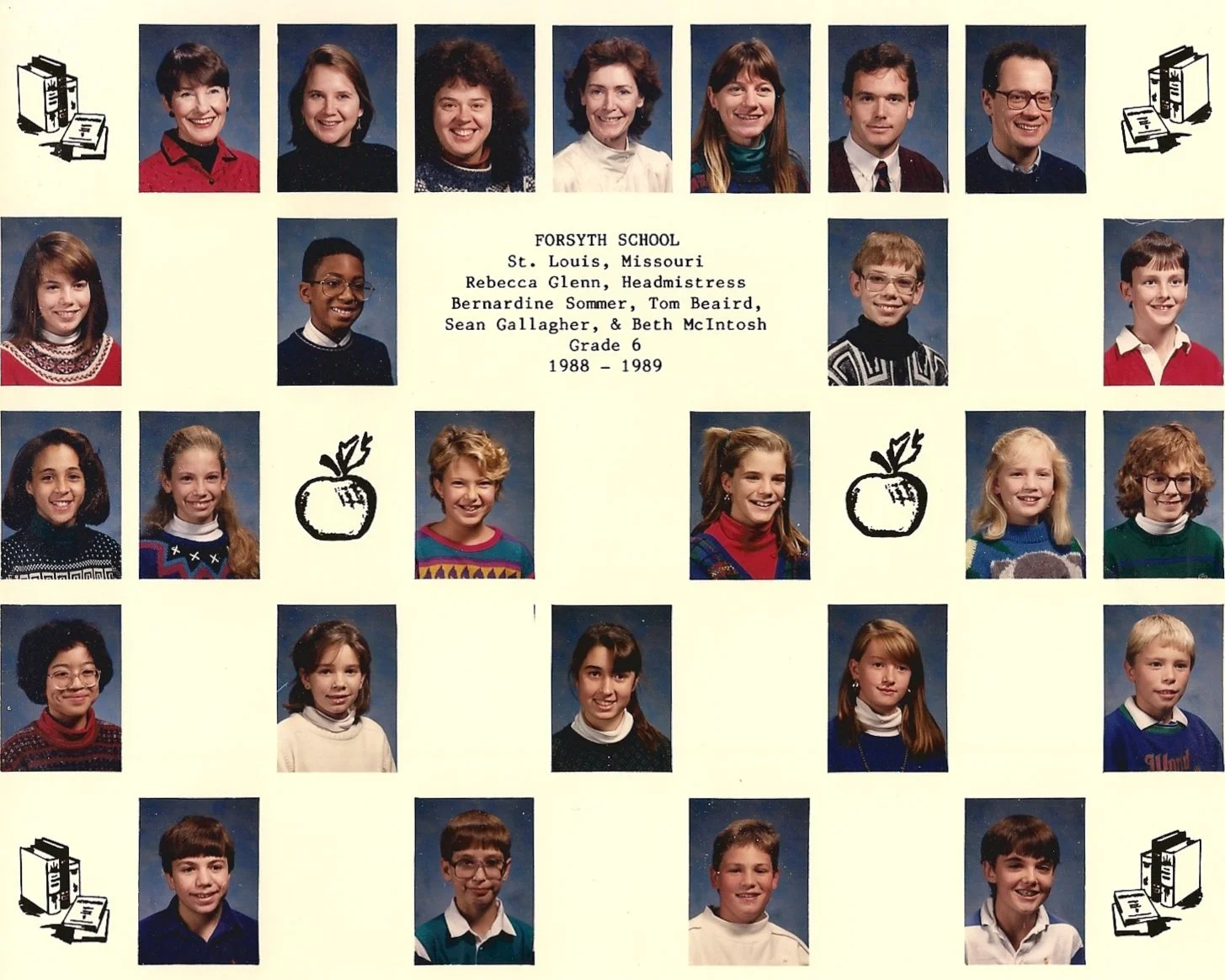
Class of 1989
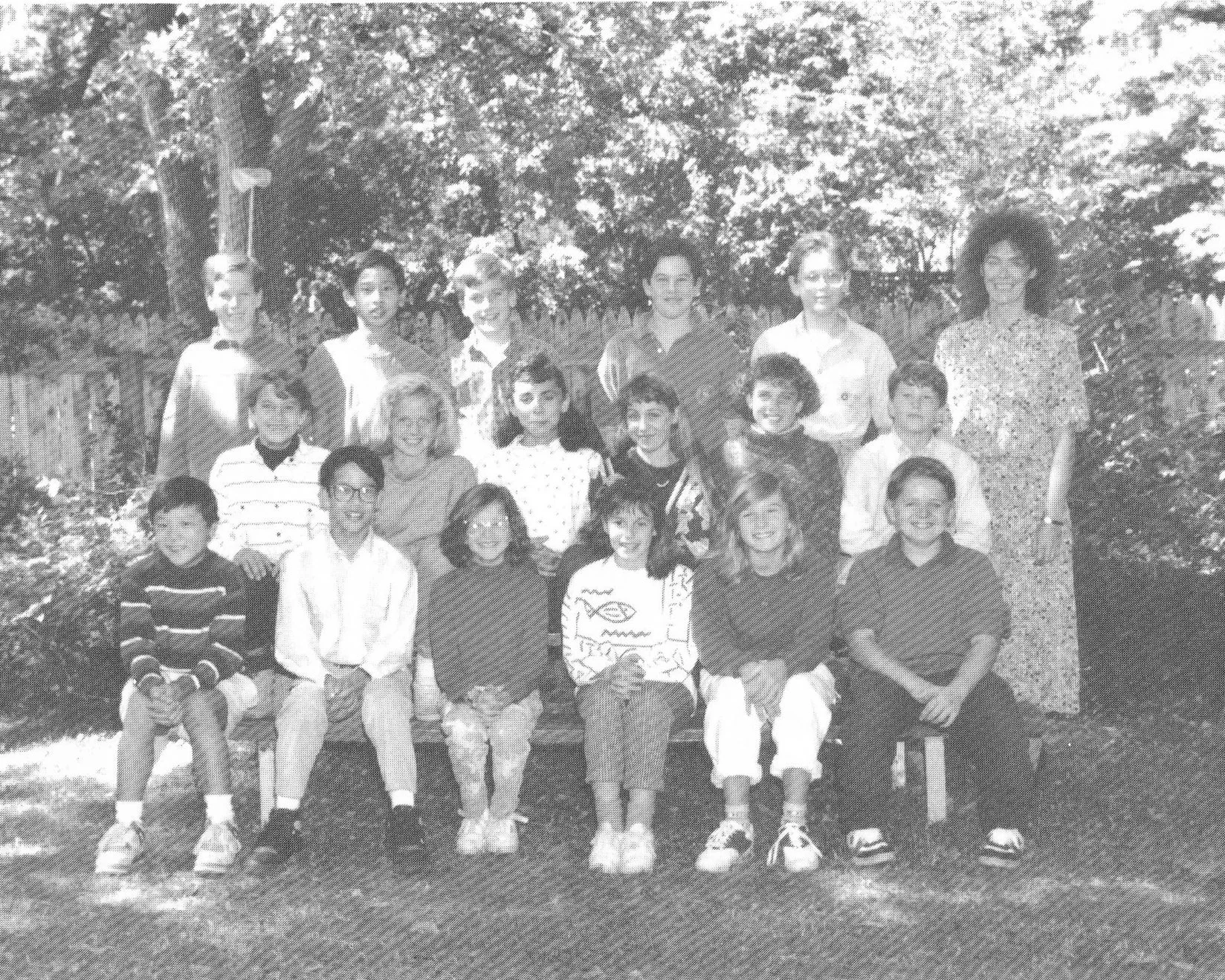
Class of 1990
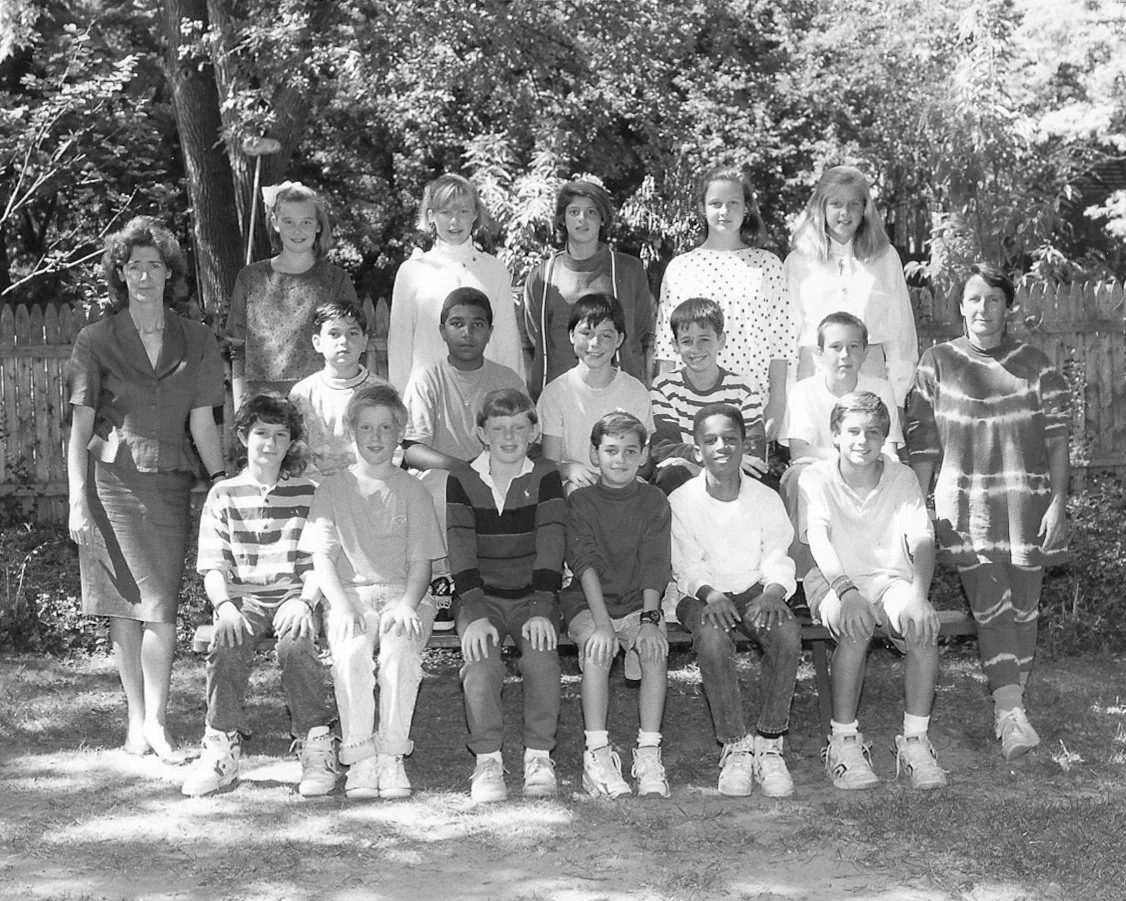
Class of 1991
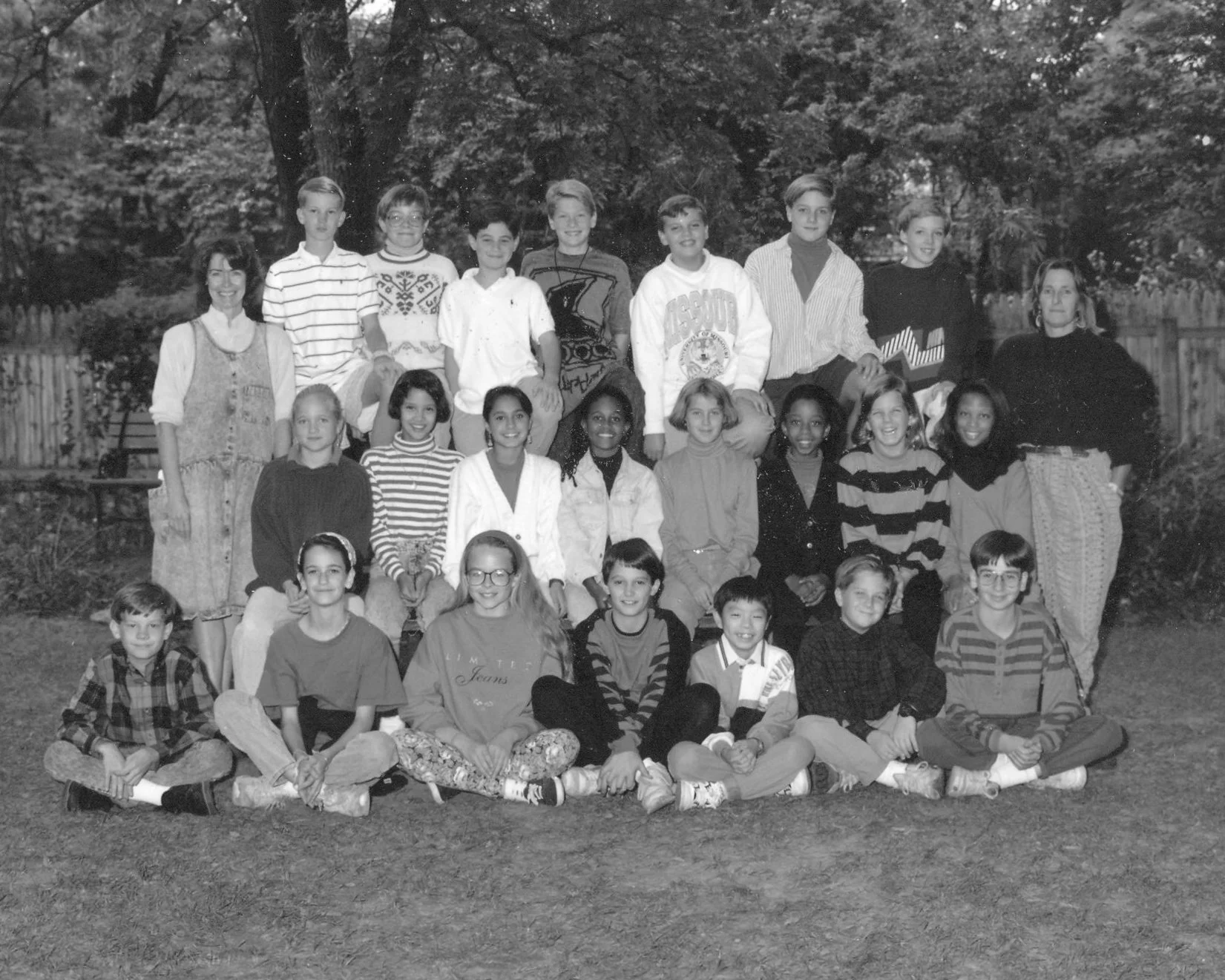
Class of 1992
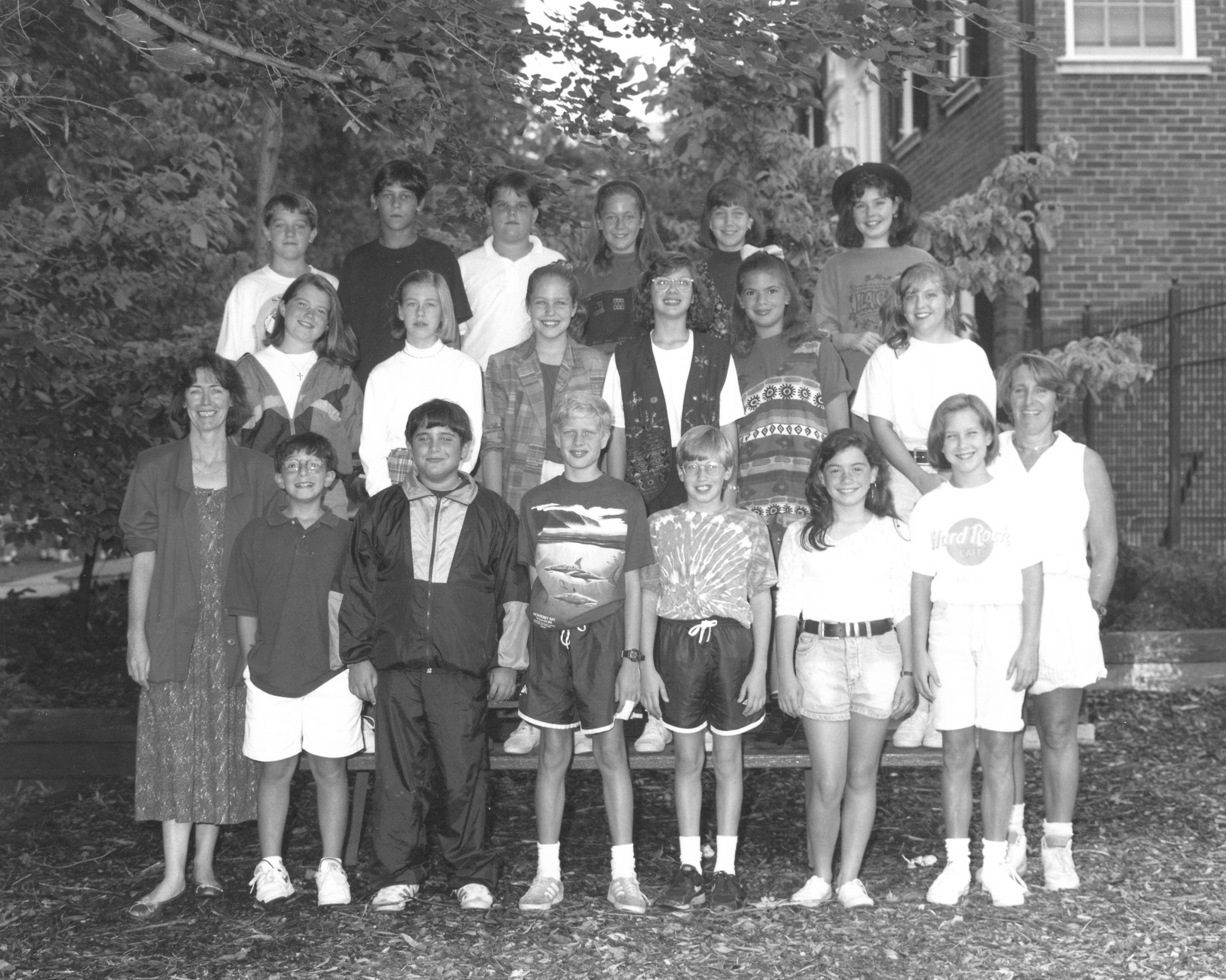
Class of 1993
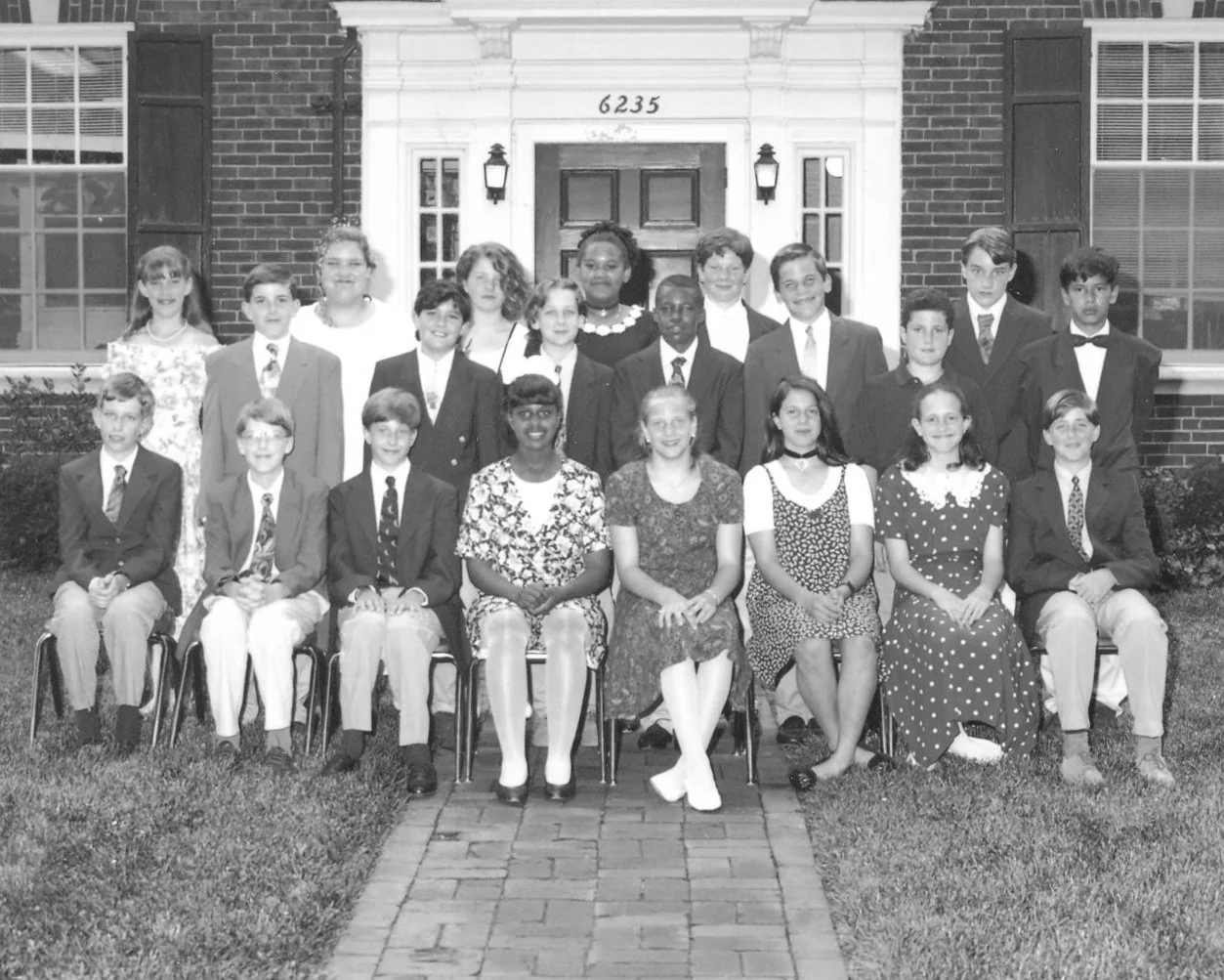
Class of 1994
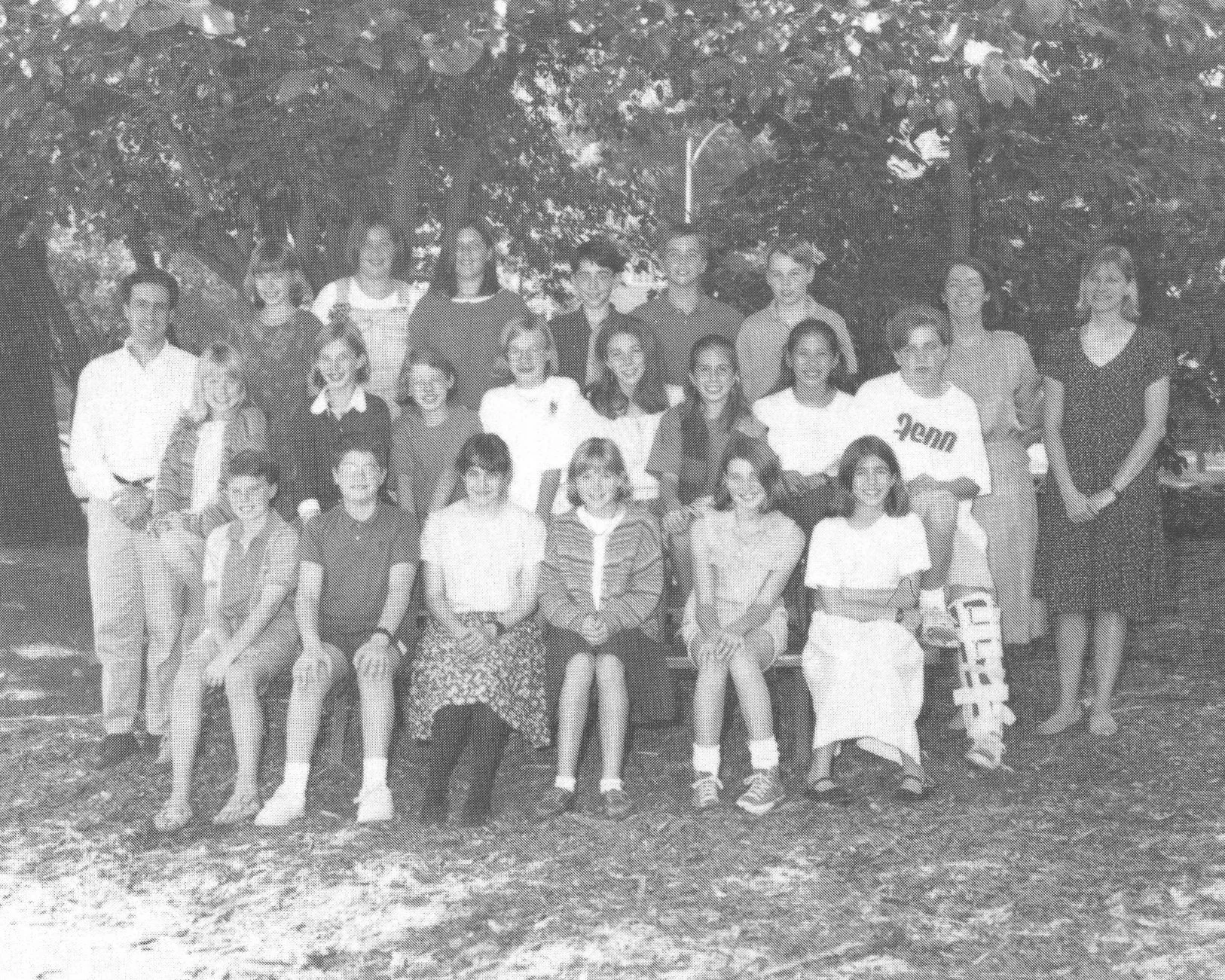
Class of 1995
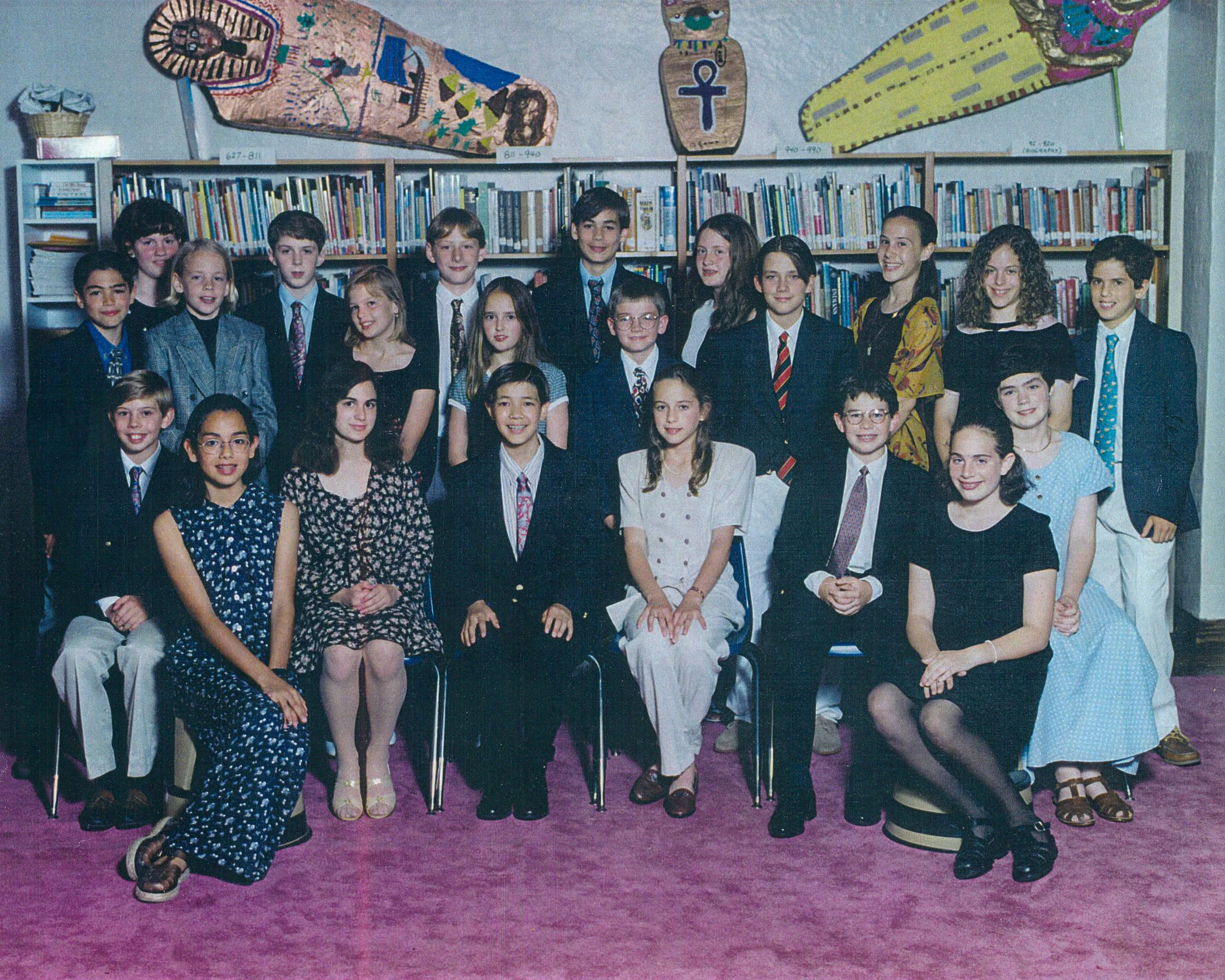
Class of 1996
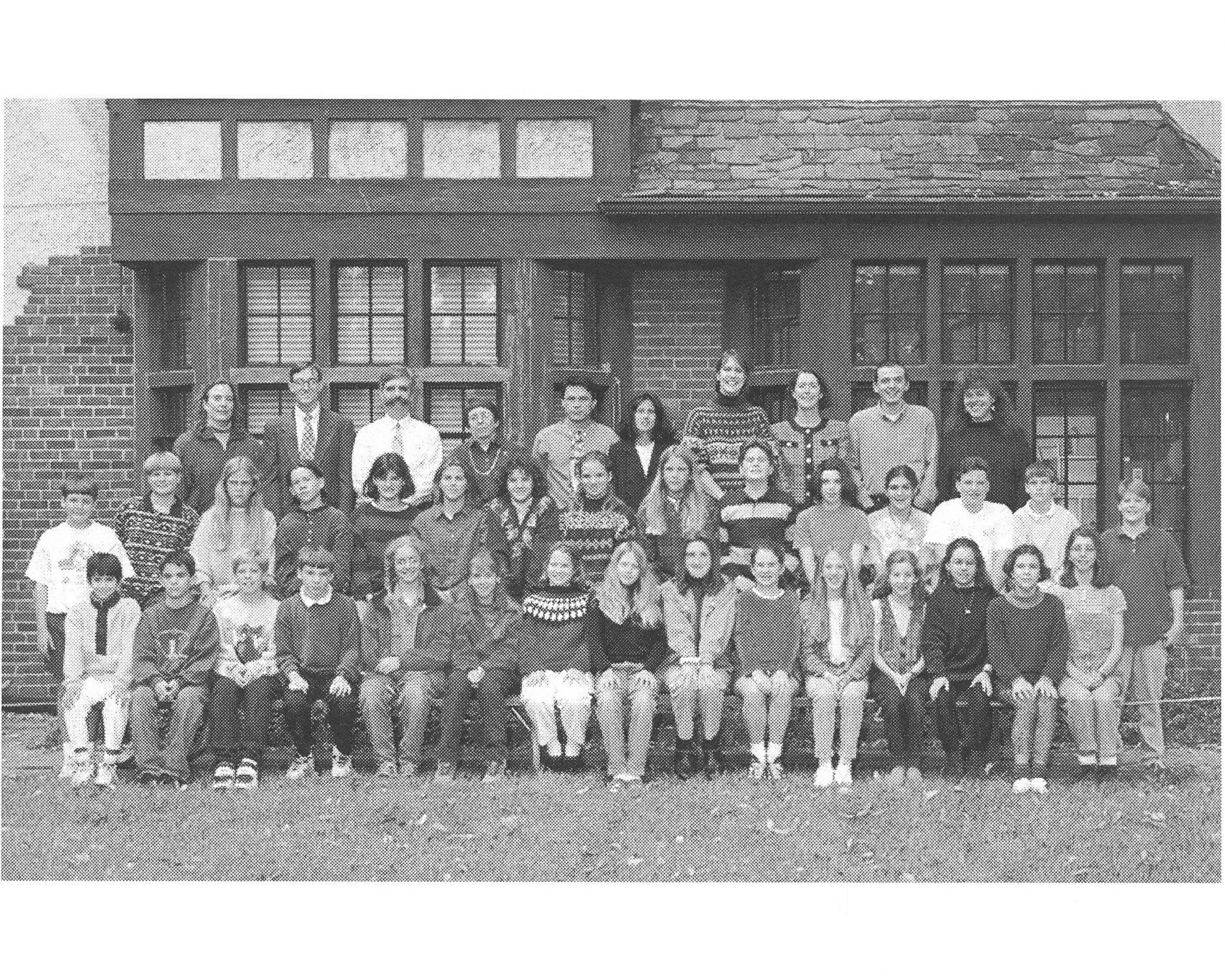
Class of 1997
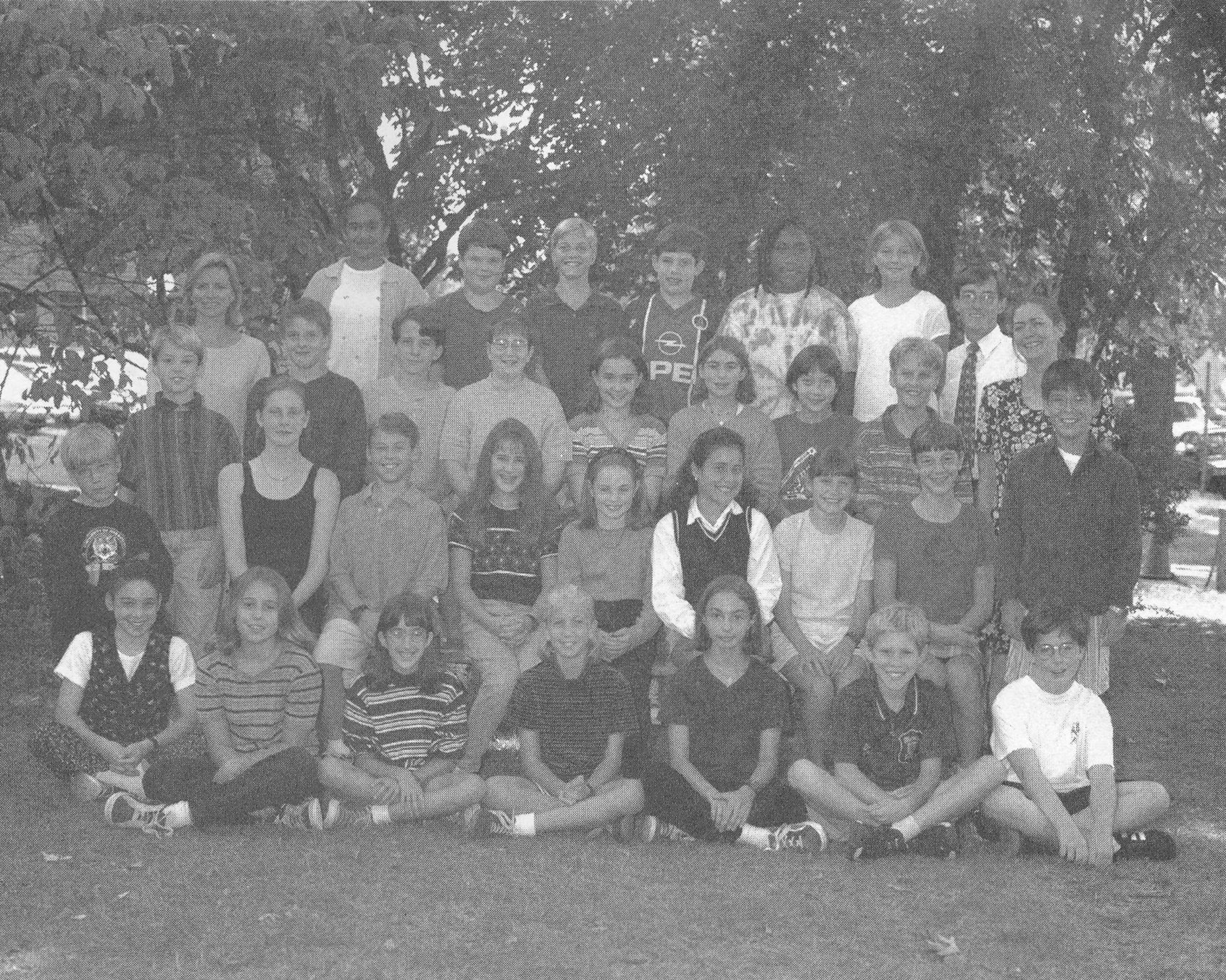
Class of 1998
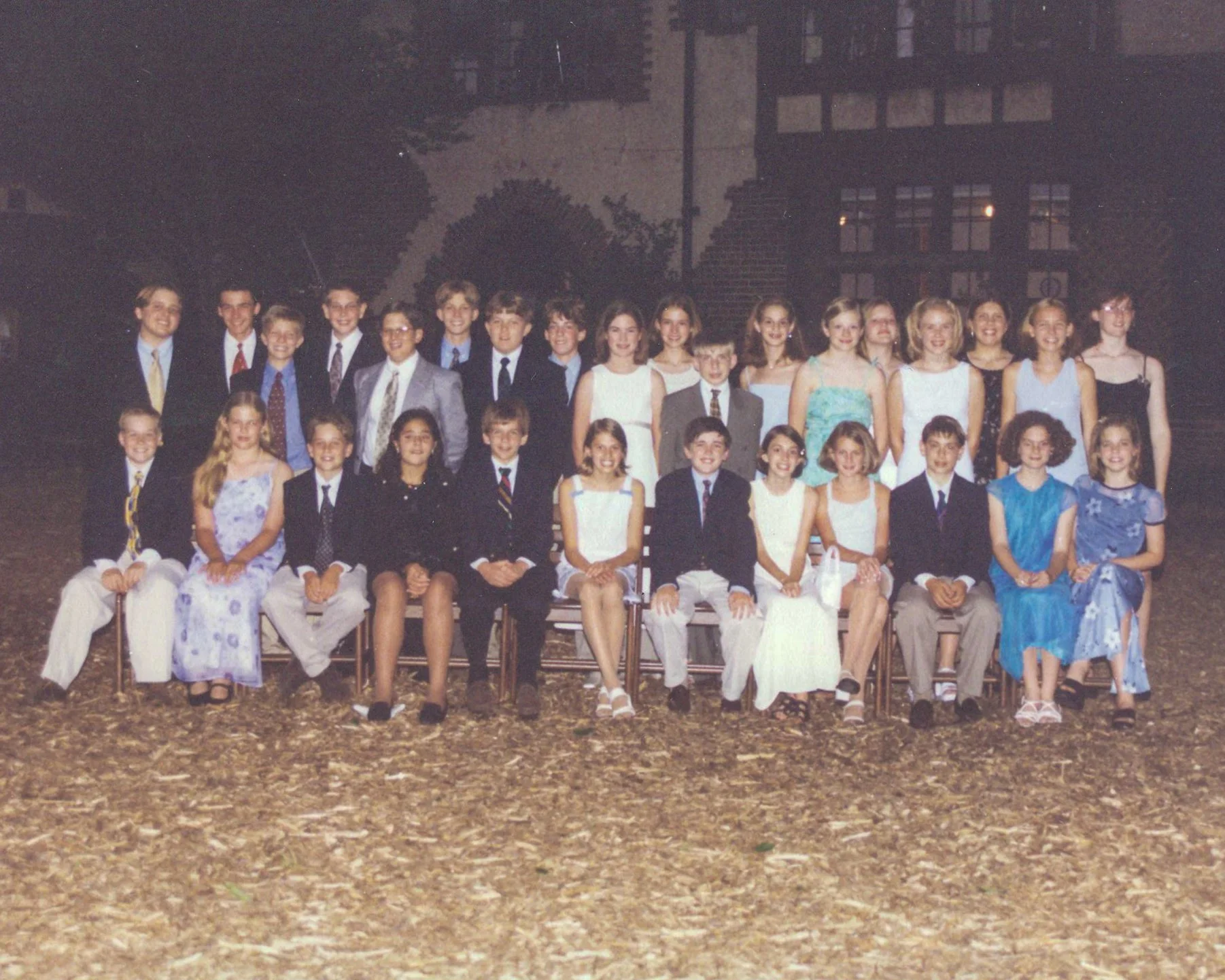
Class of 1999
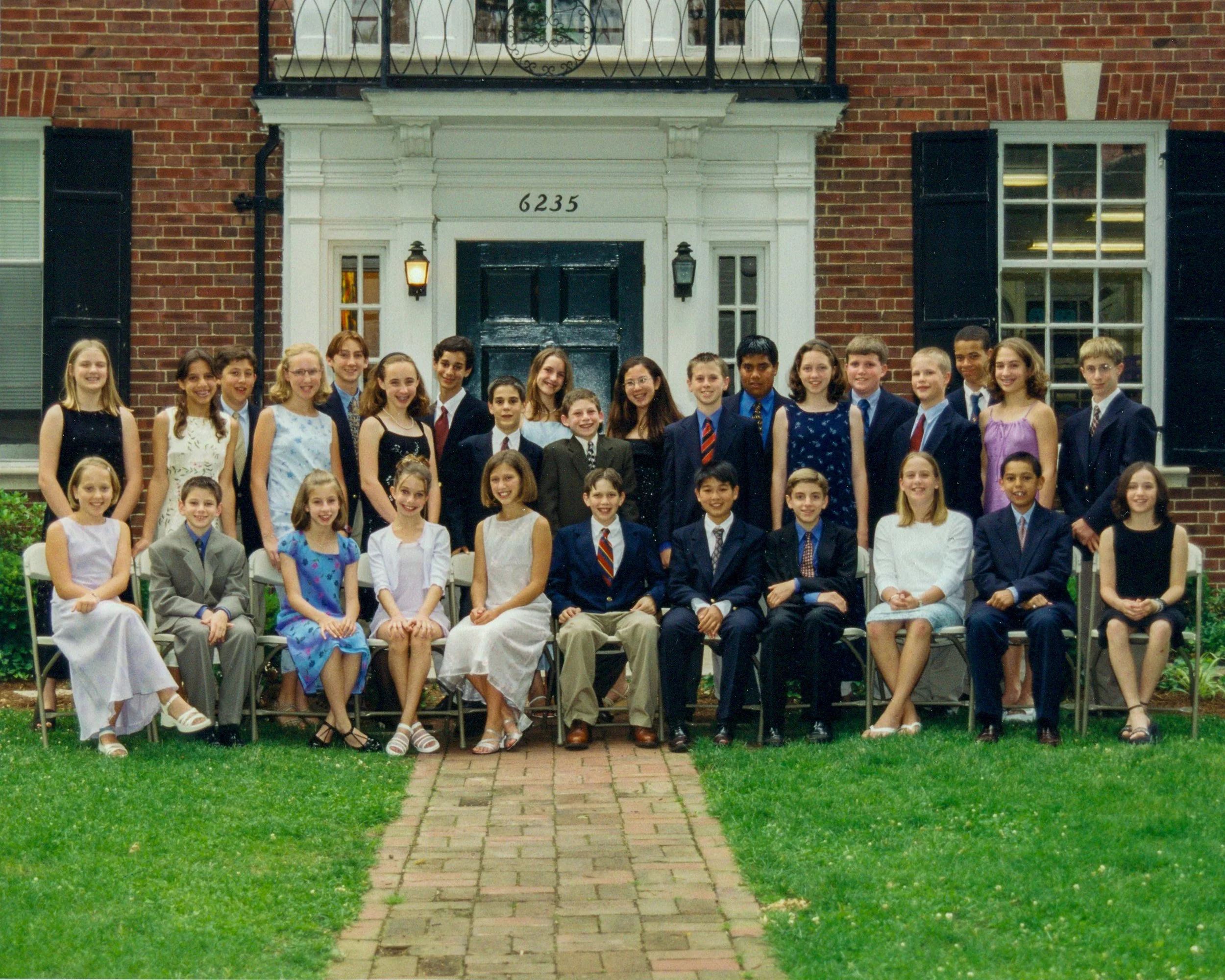
Class of 2000
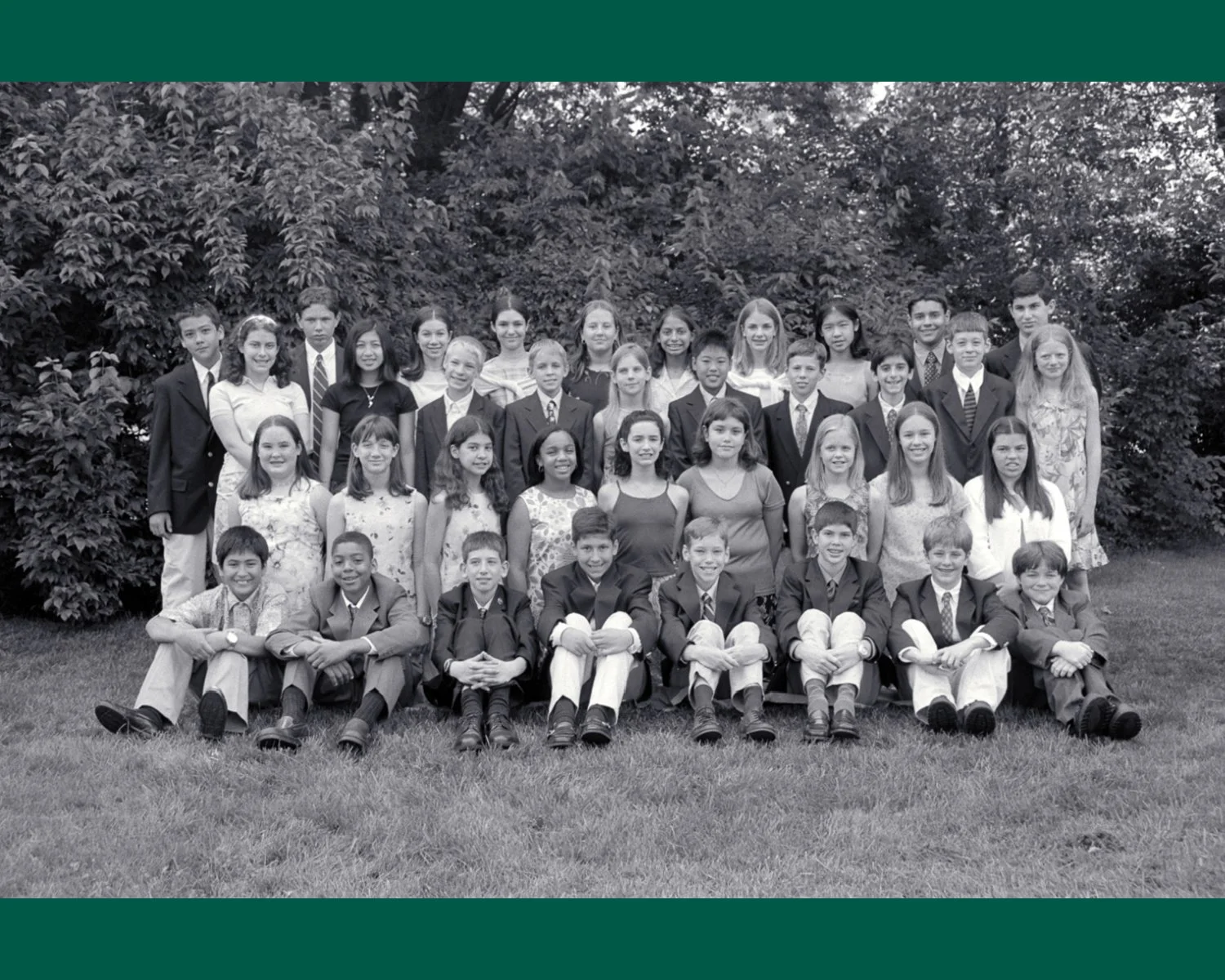
Class of 2002
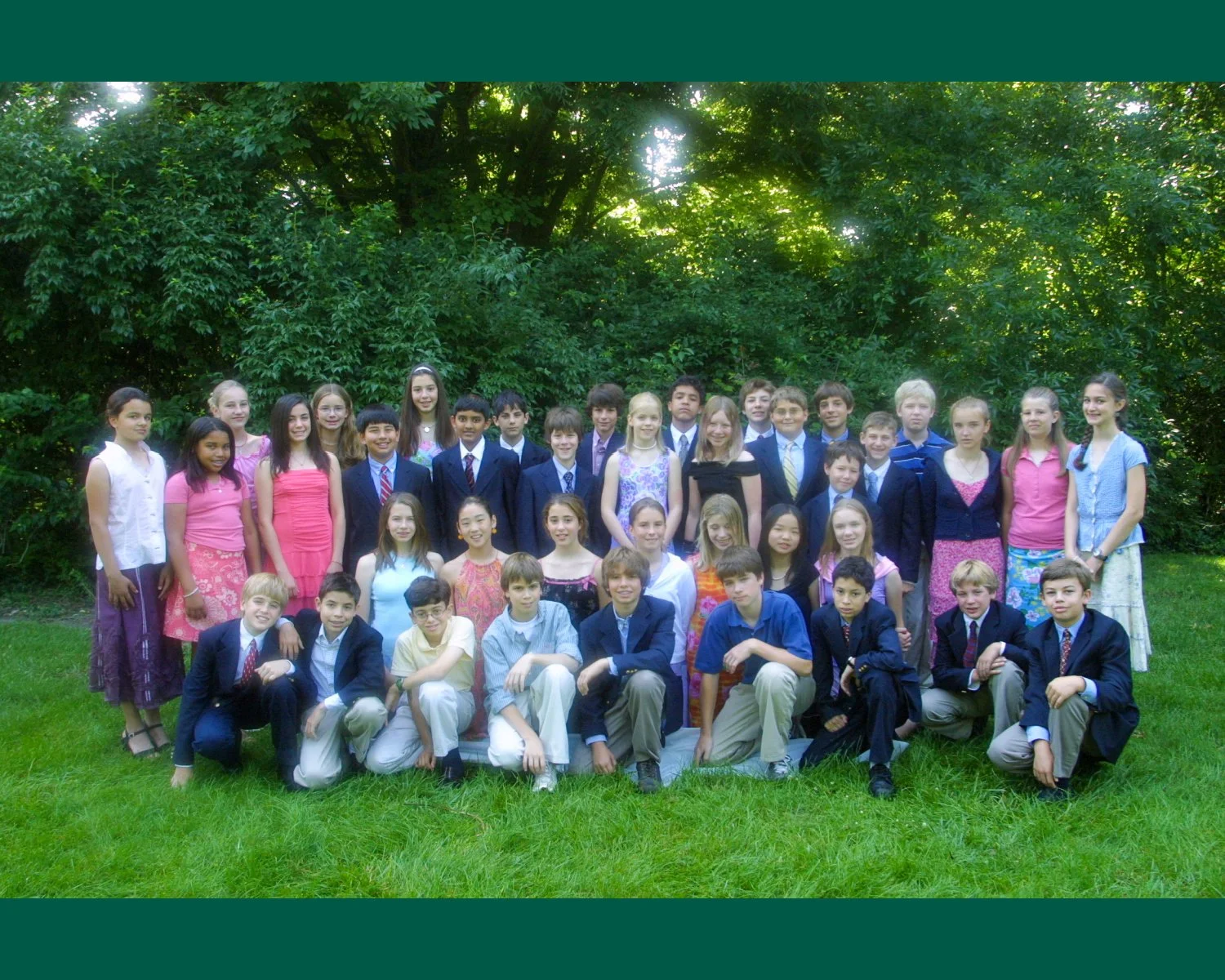
Class of 2004
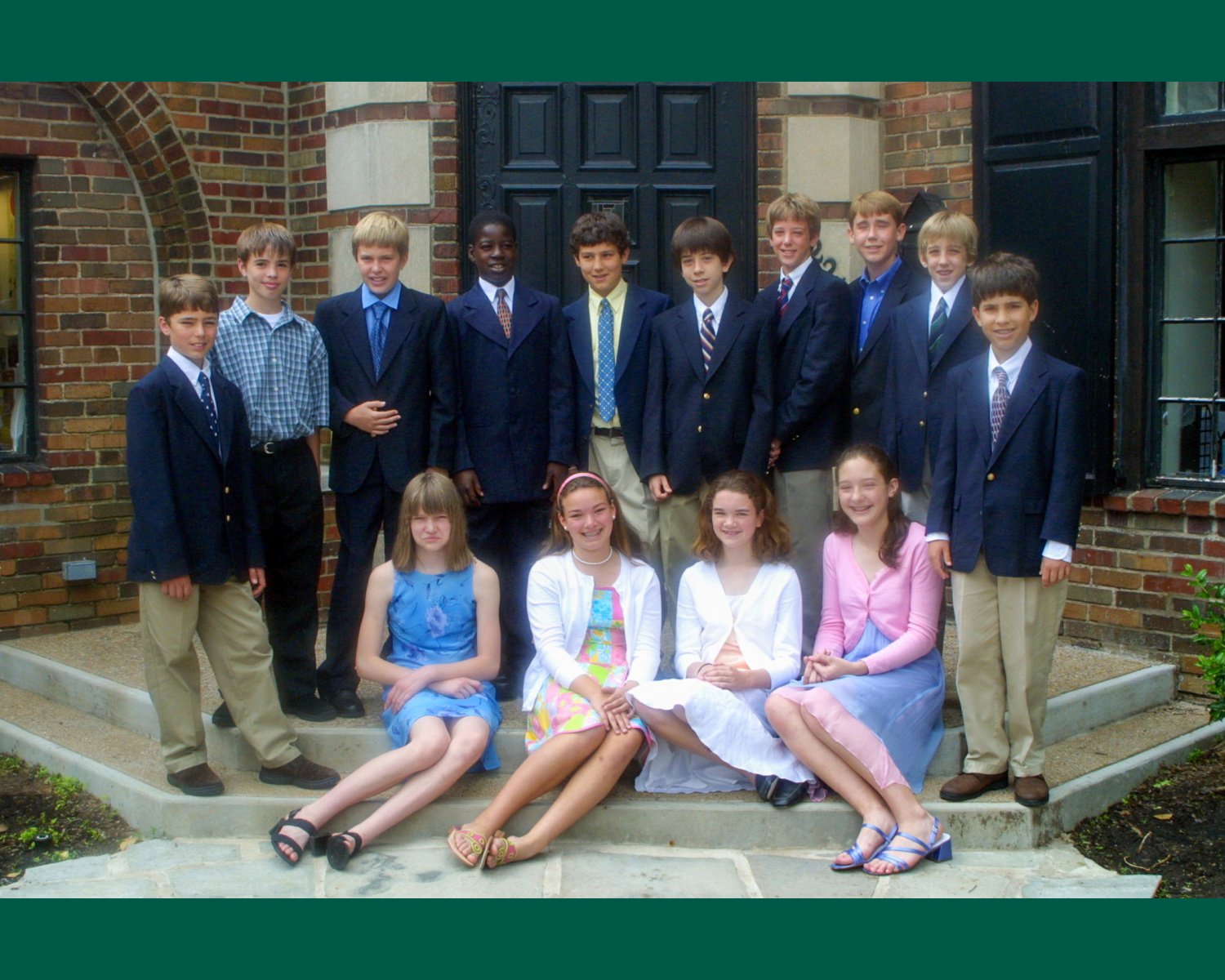
Class of 2005
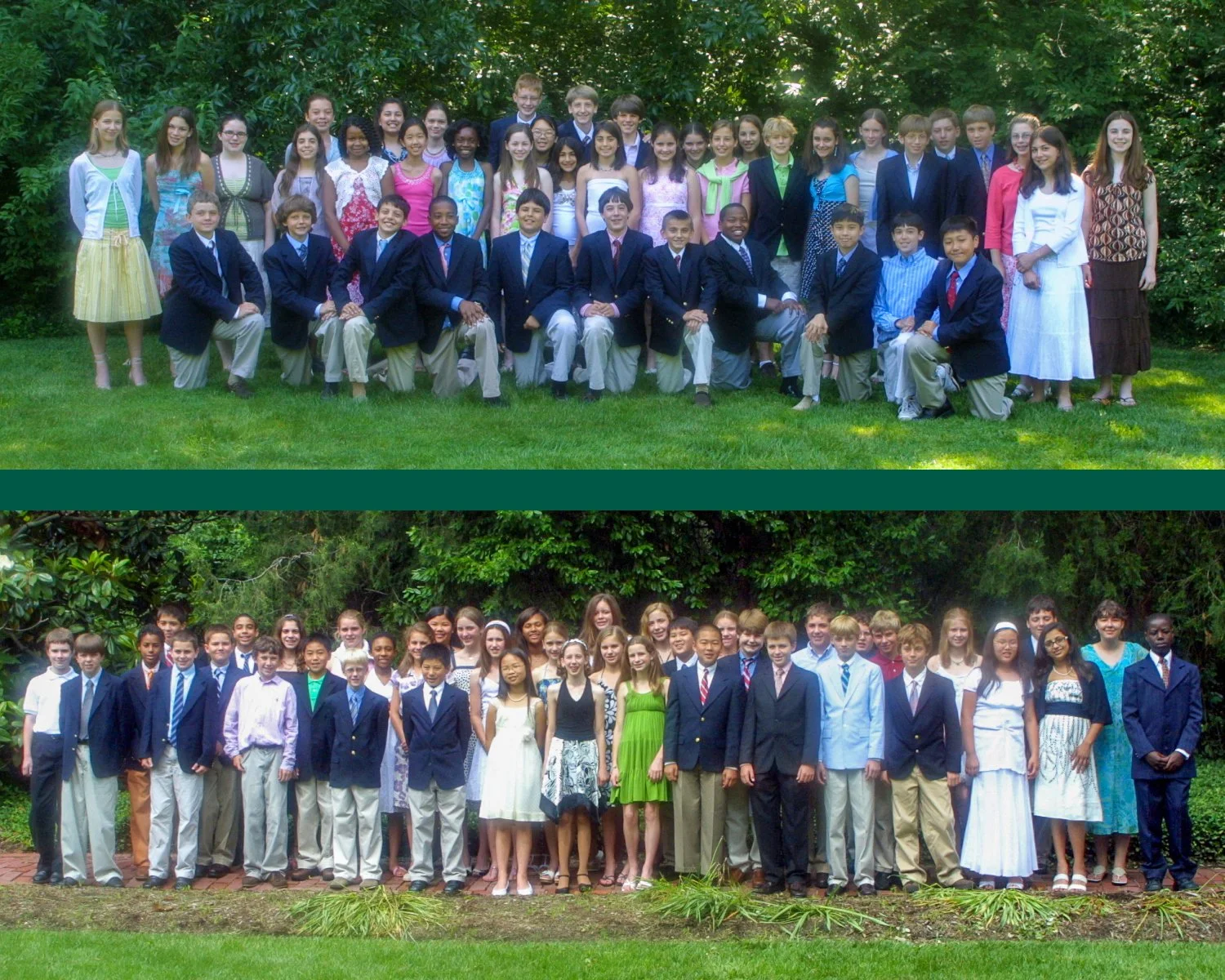
Classes of 2006 & 2007
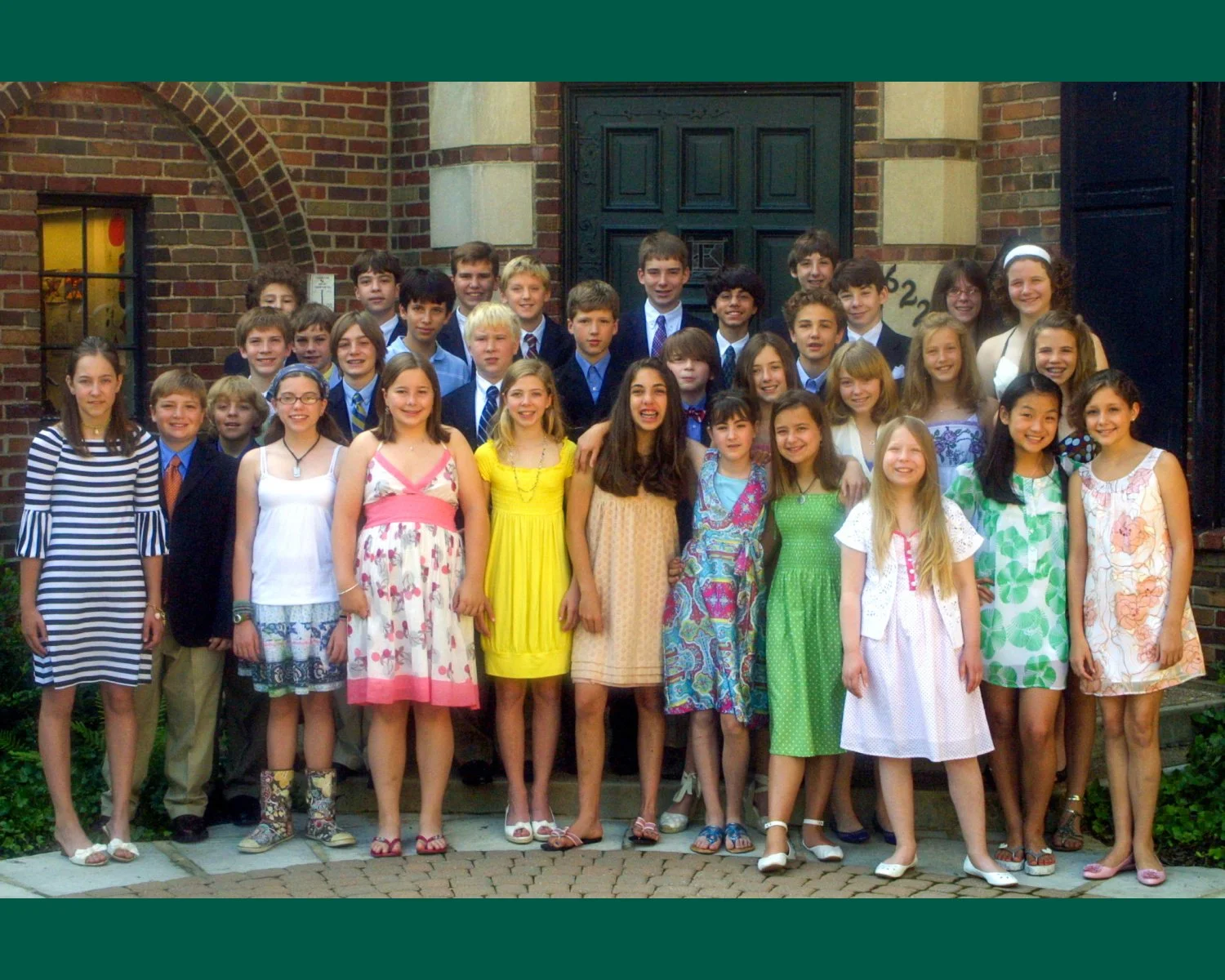
Class of 2008
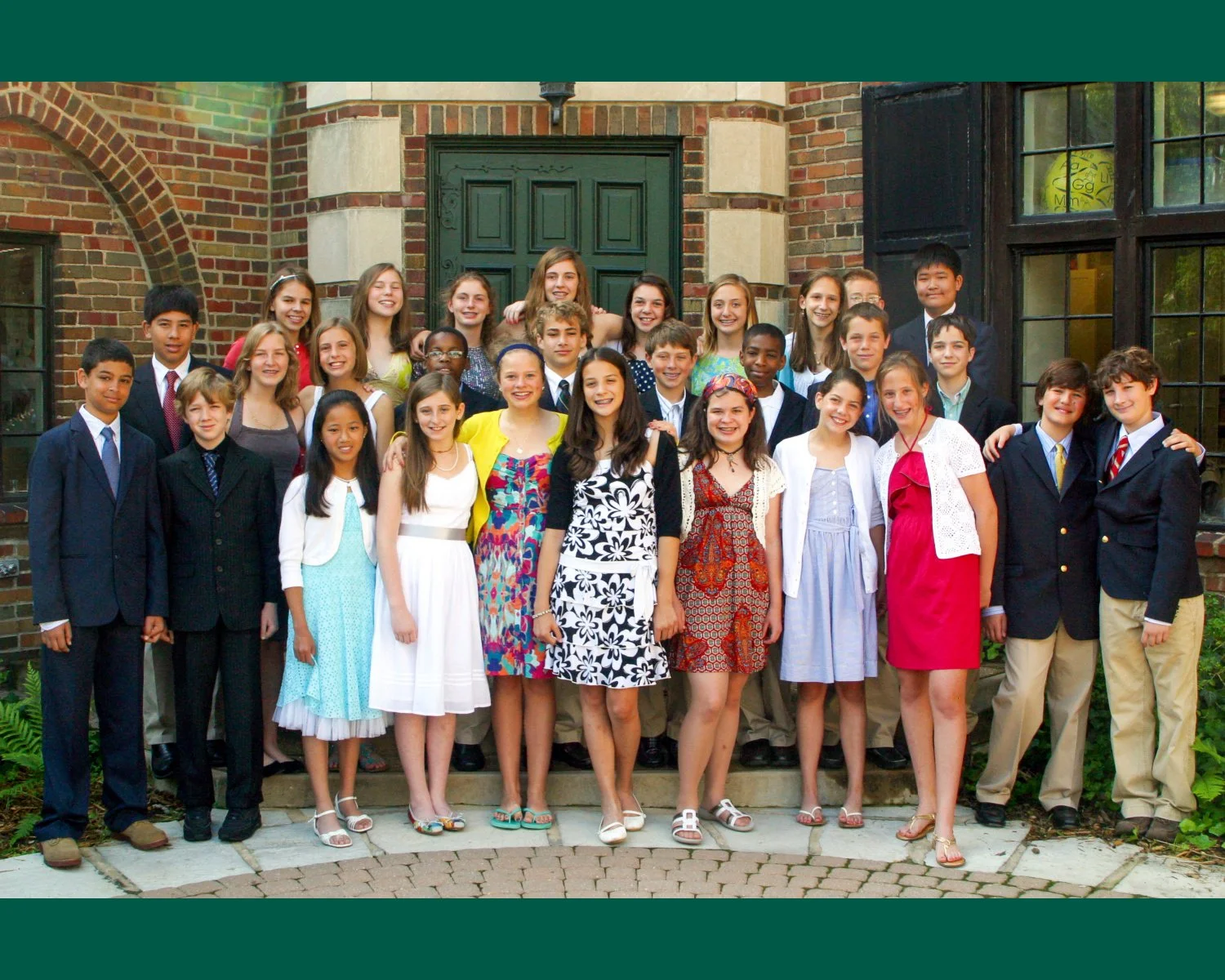
Class of 2009
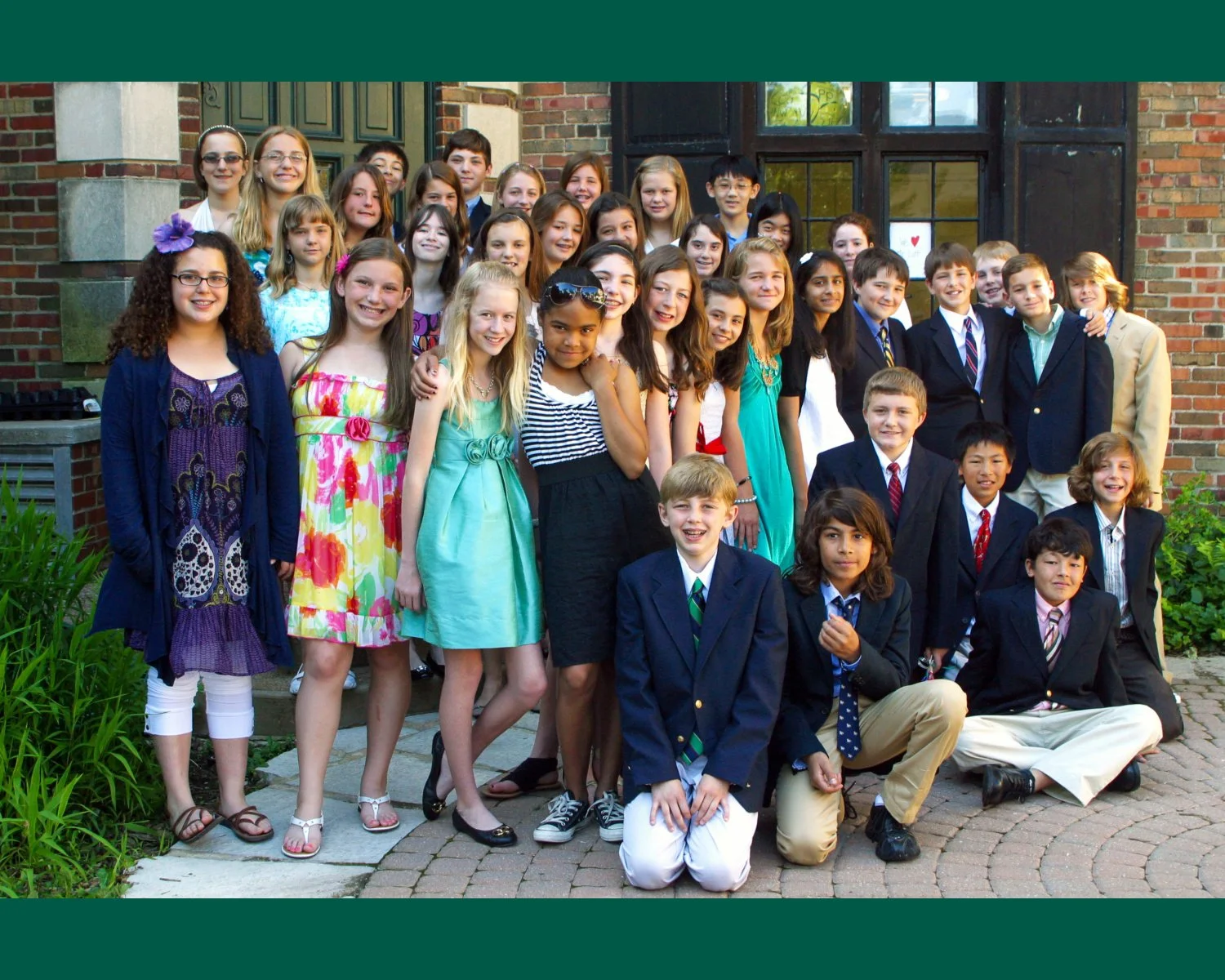
Class of 2010
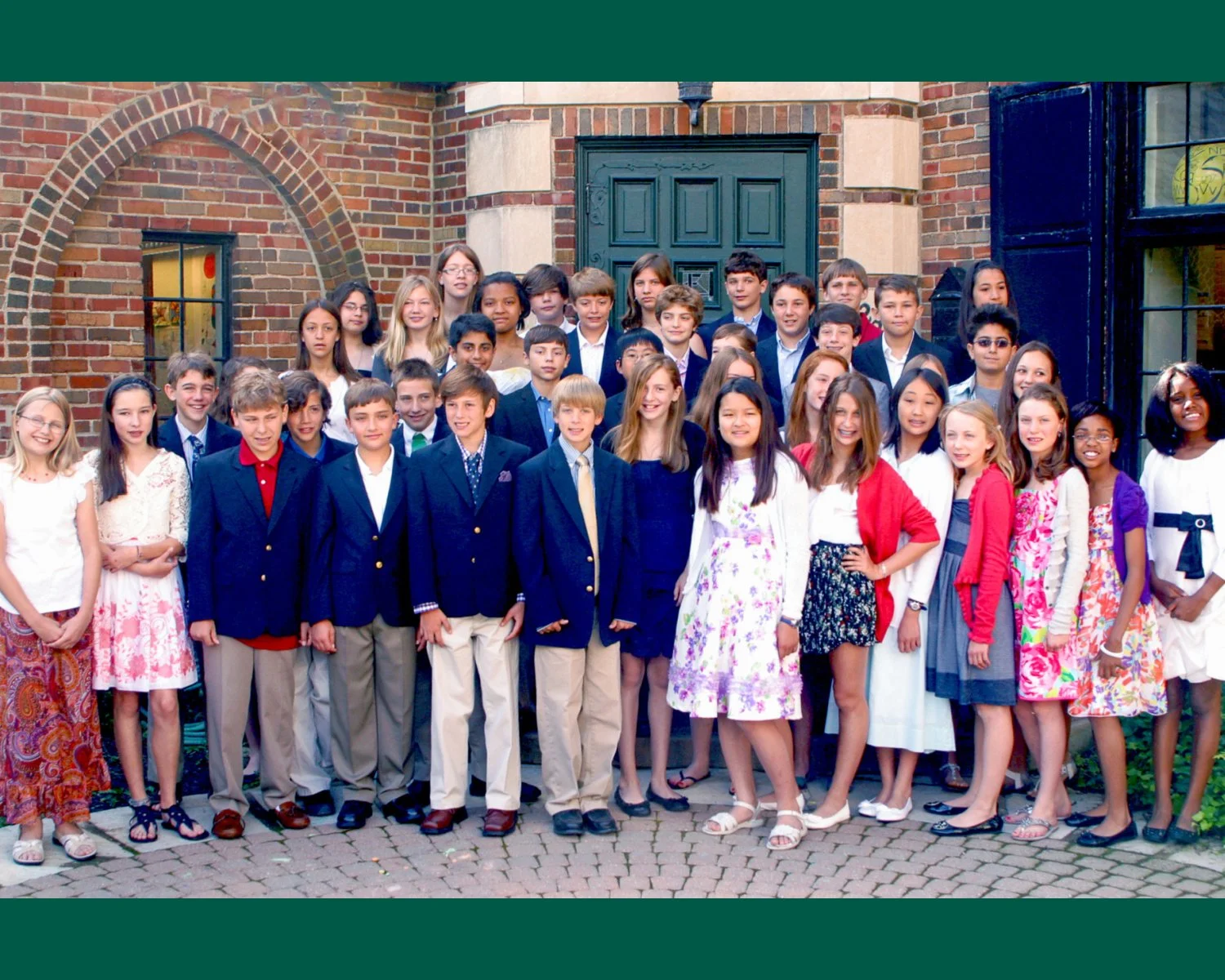
Class of 2011
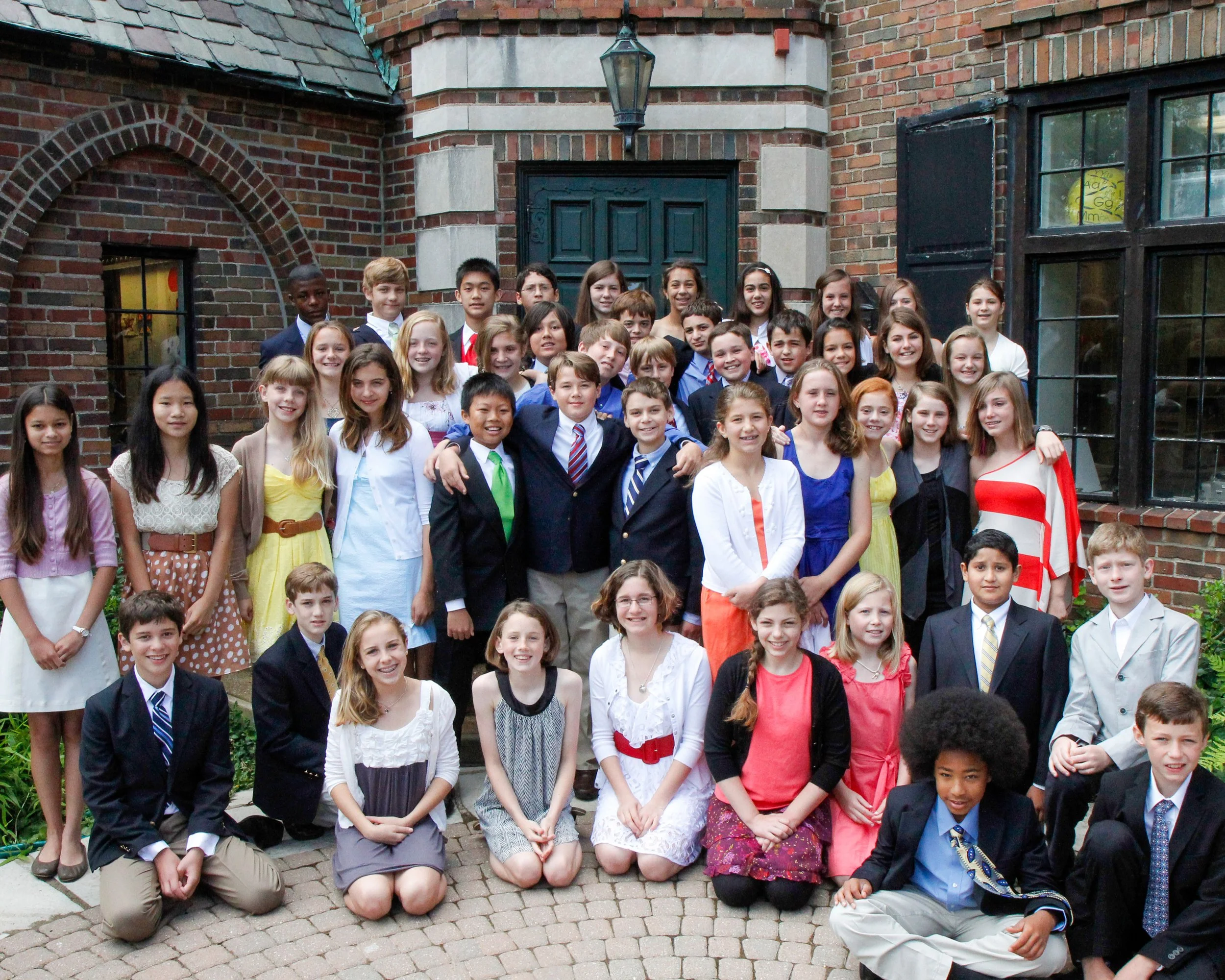
Class of 2012
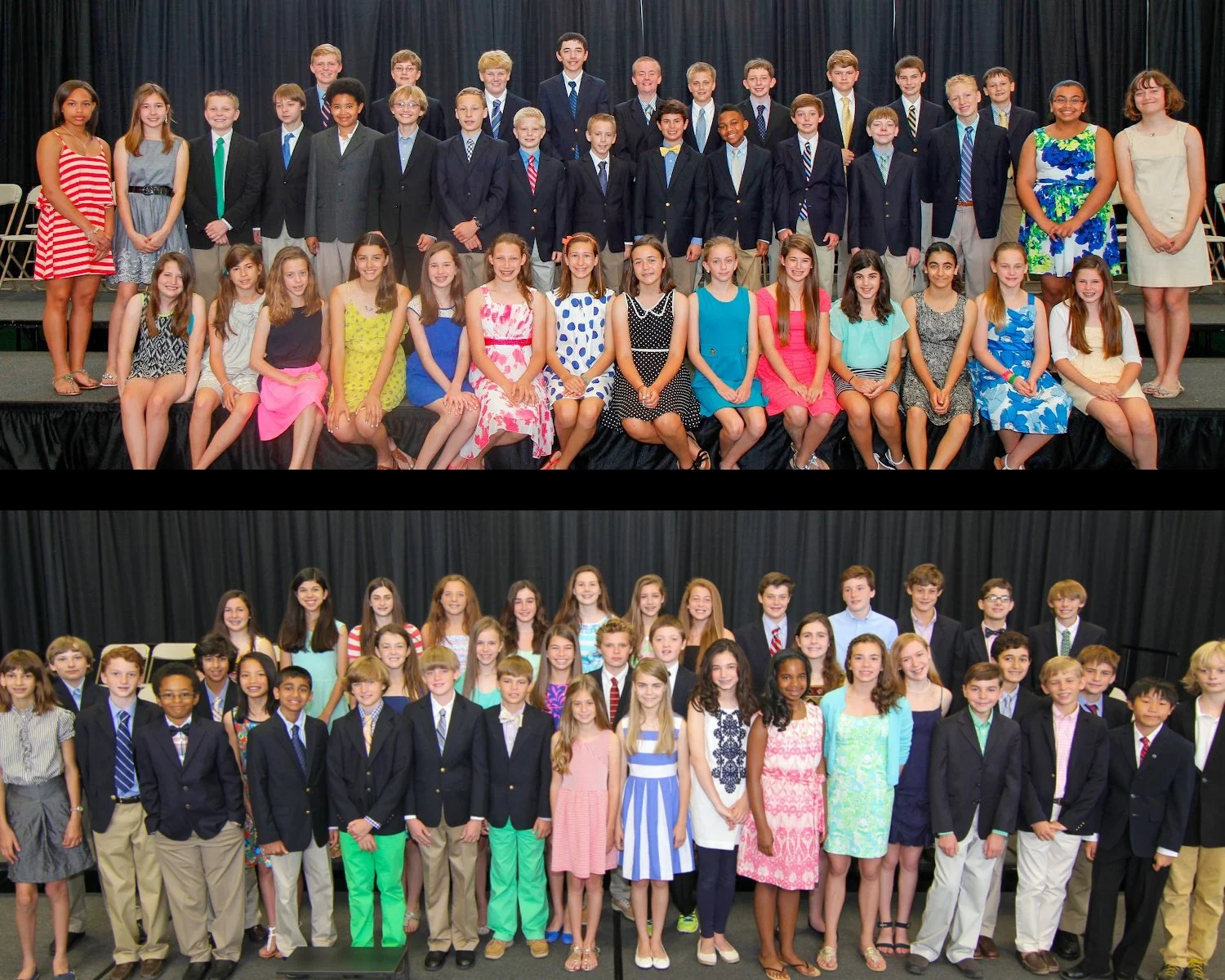
Classes of 2013 & 2014
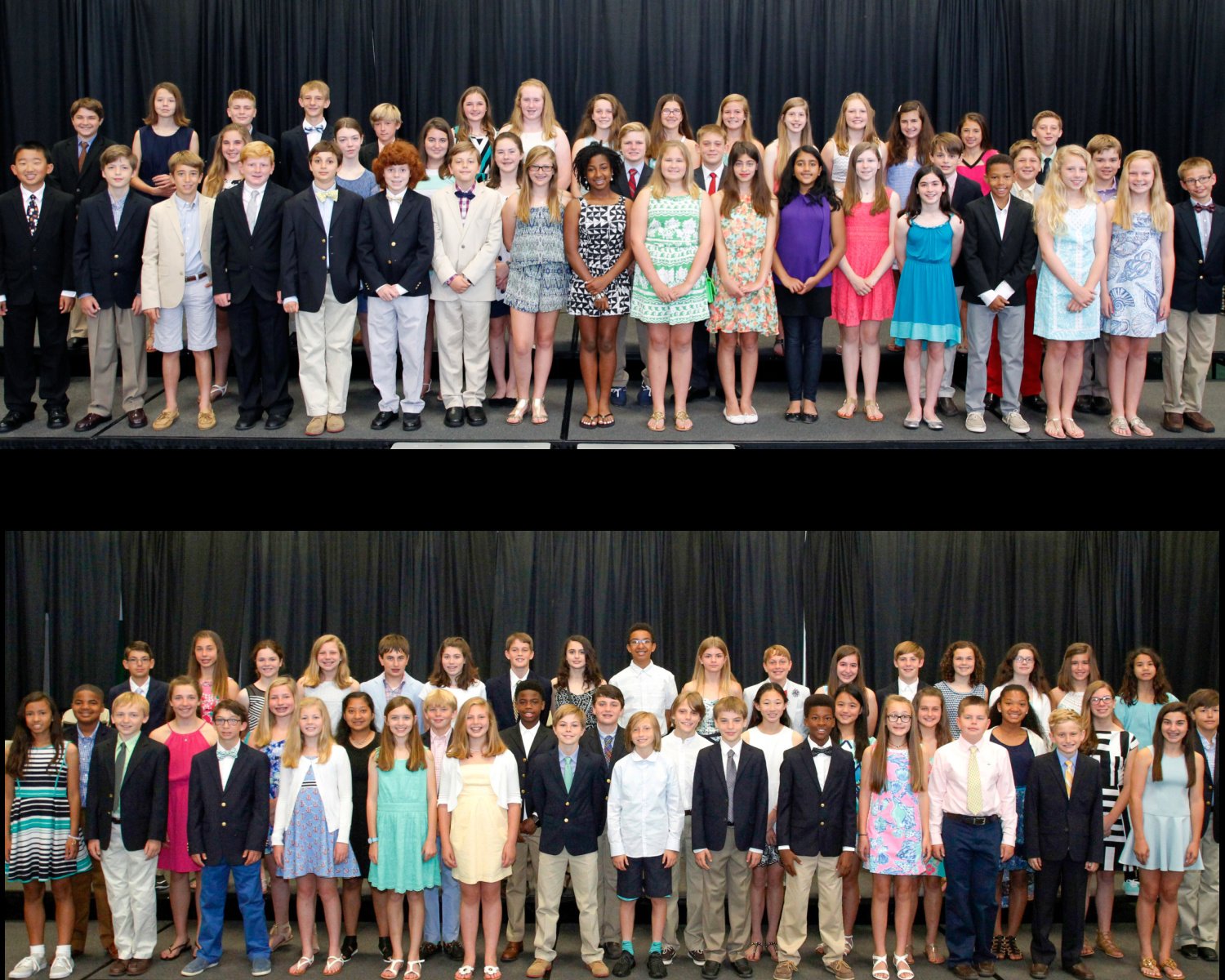
Classes of 2015 & 2016
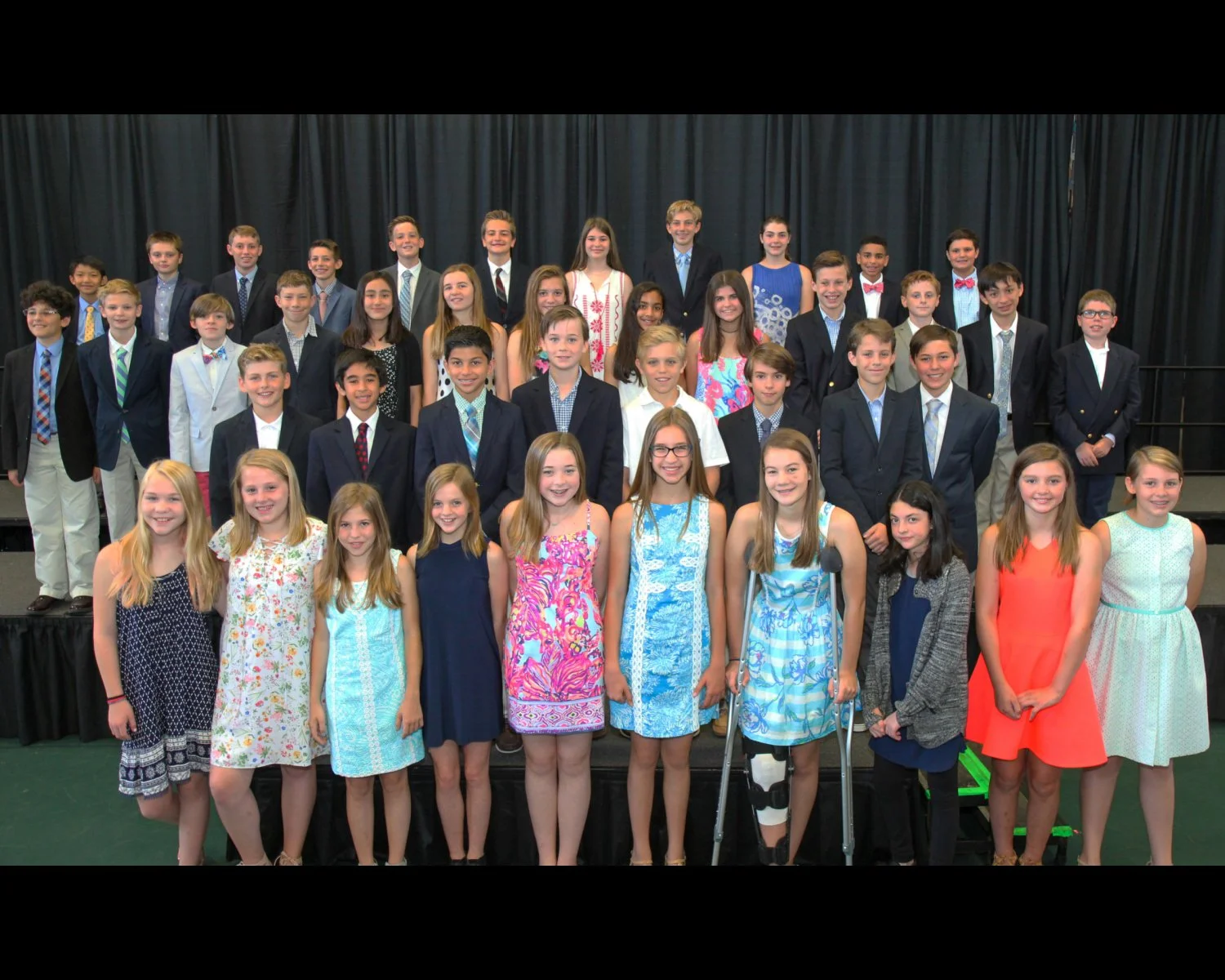
Class of 2017
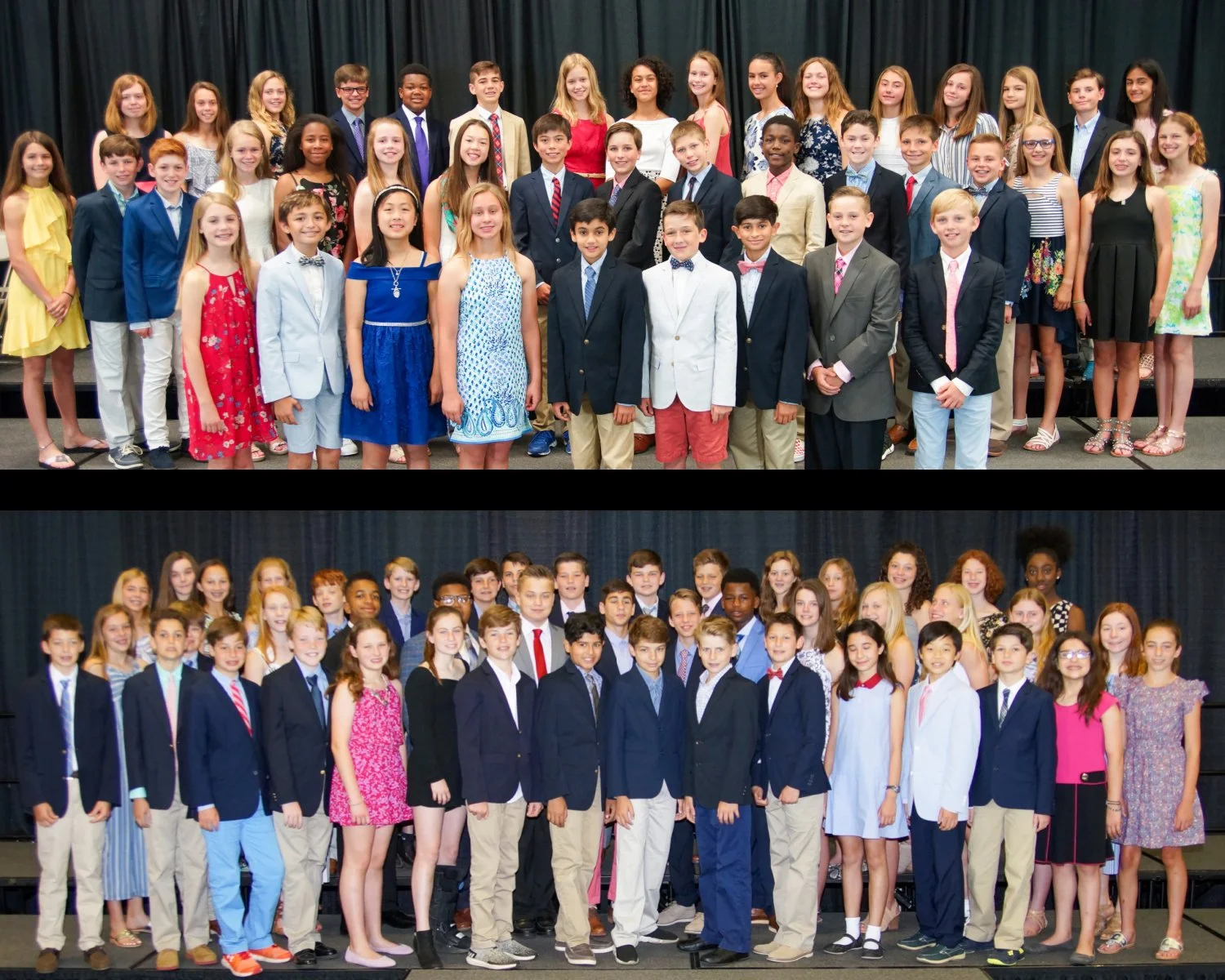
Classes of 2018 & 2019
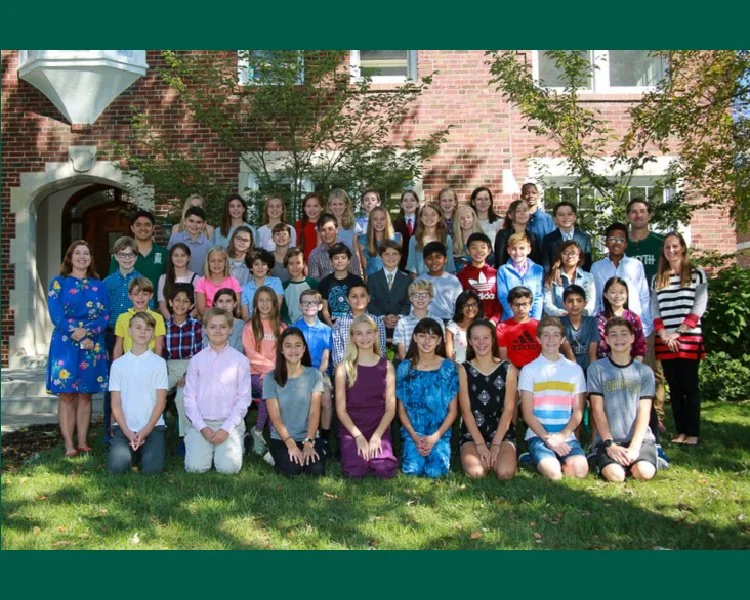
Class of 2020
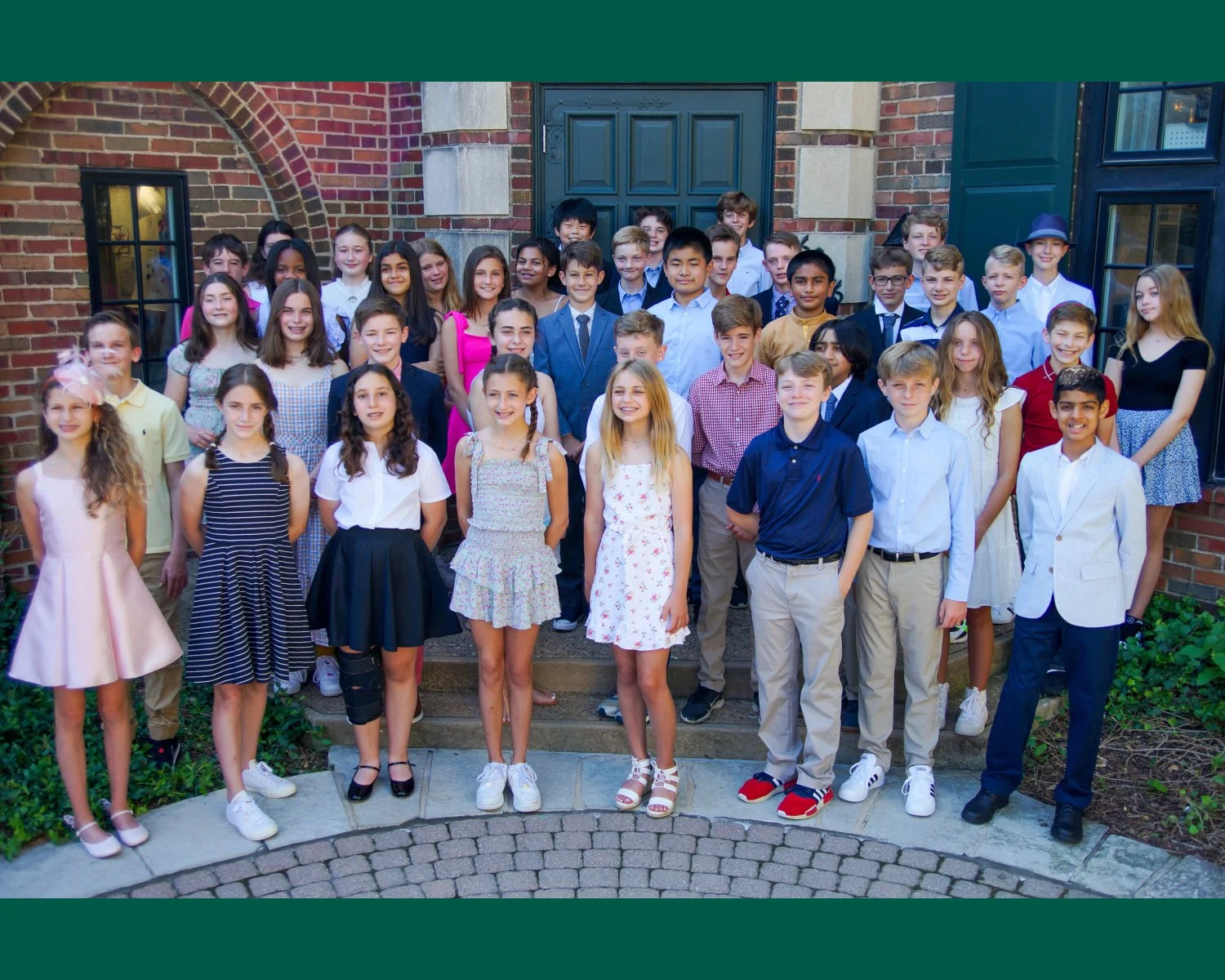
Class of 2021
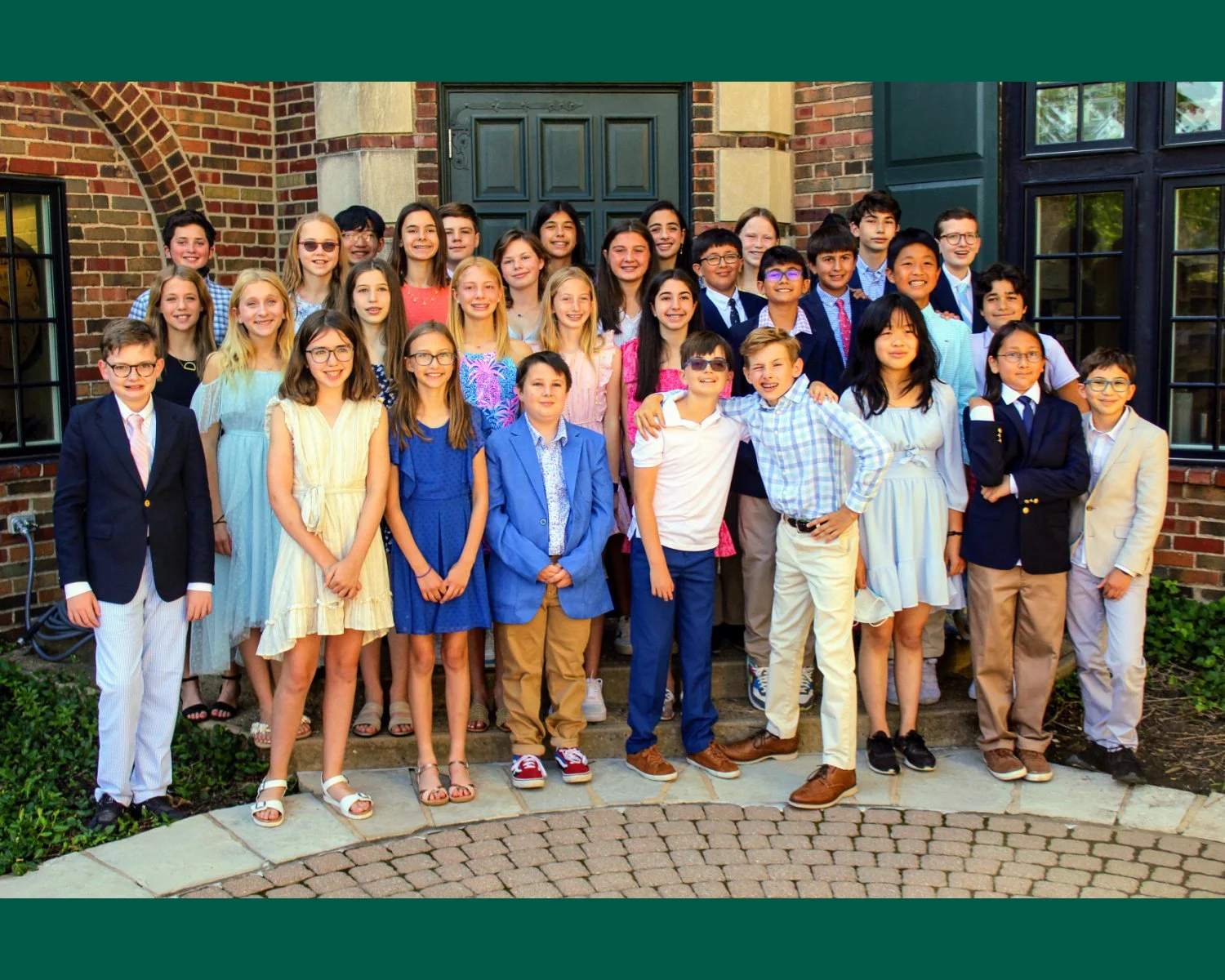
Class of 2022
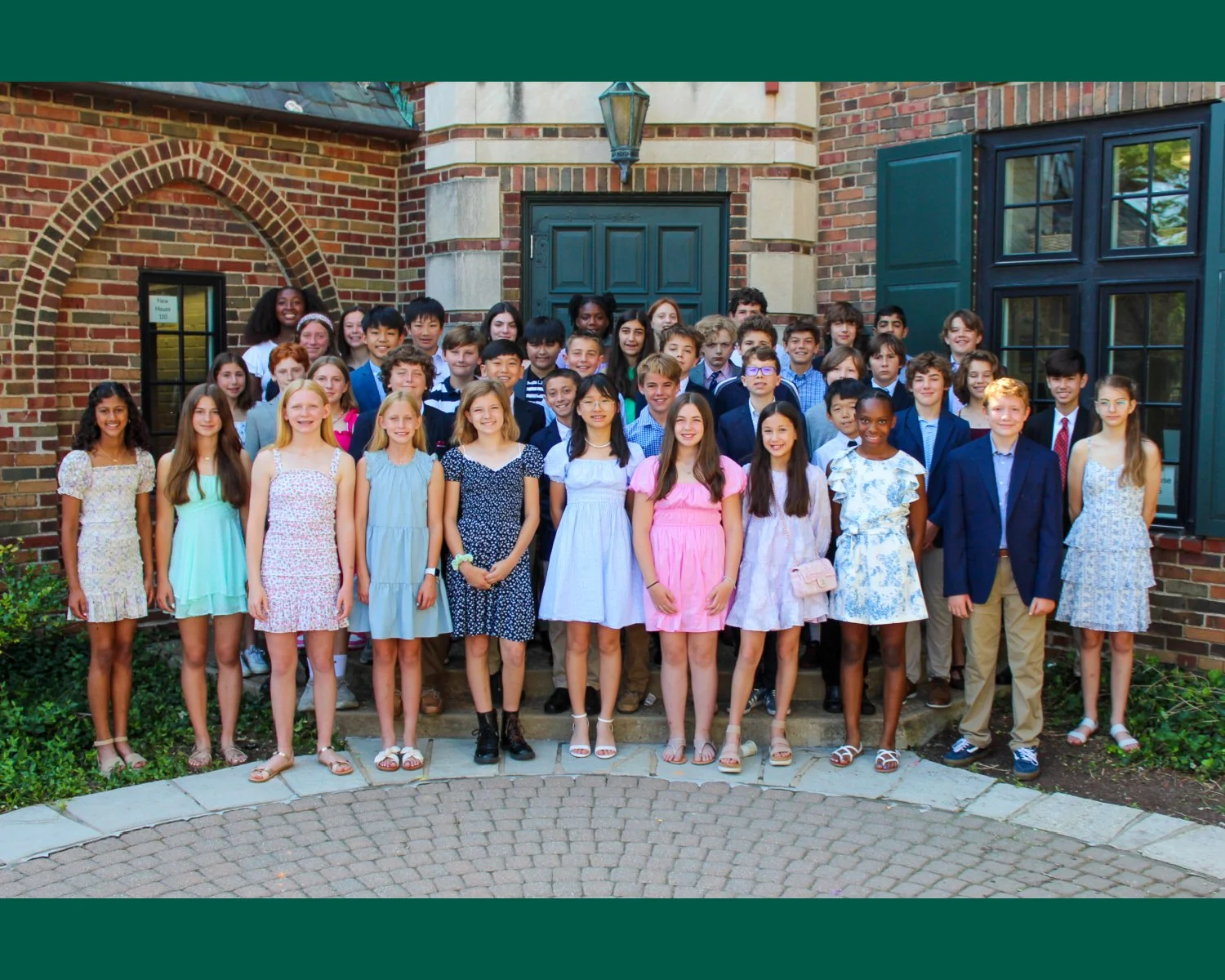
Class of 2023
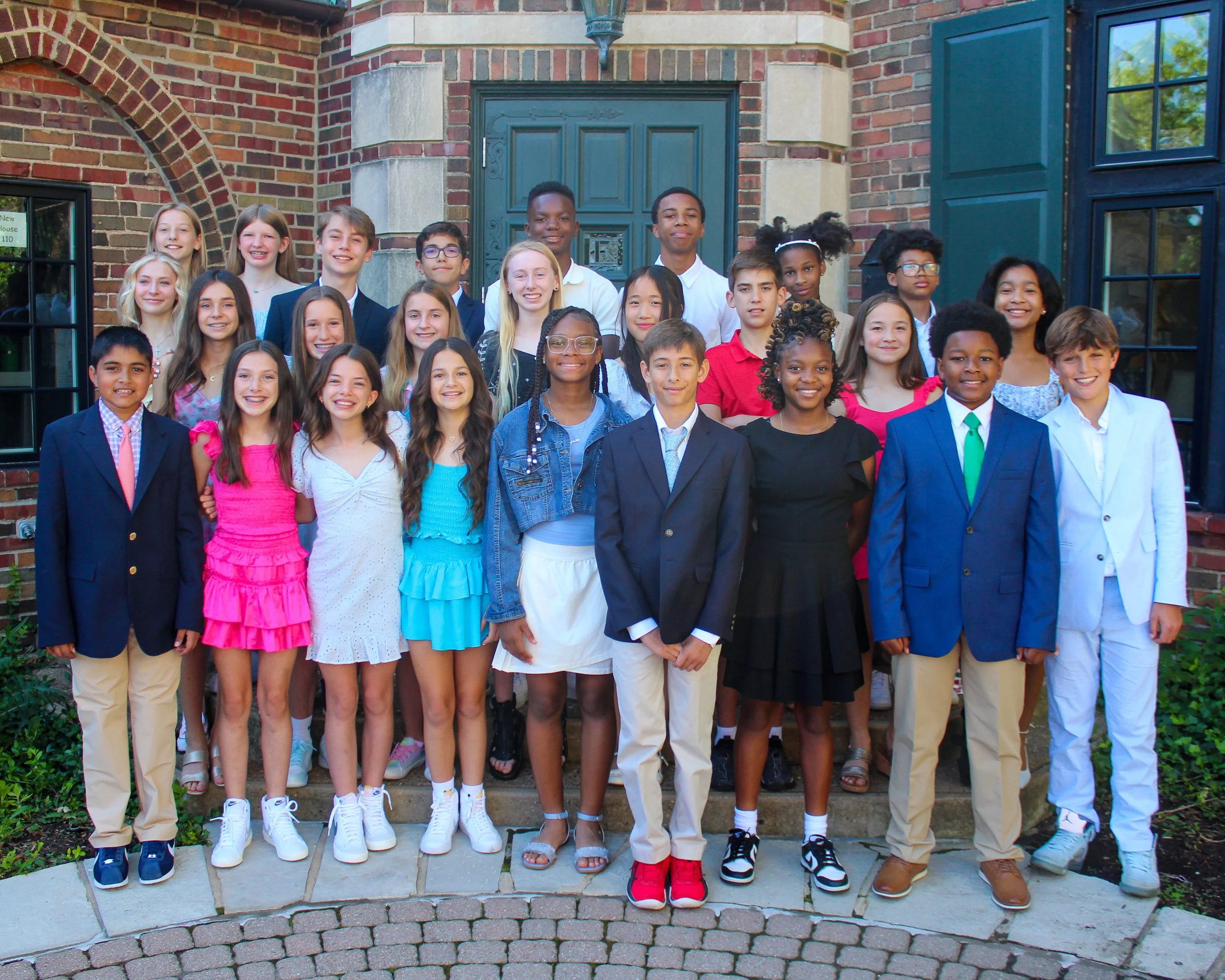
Class of 2024
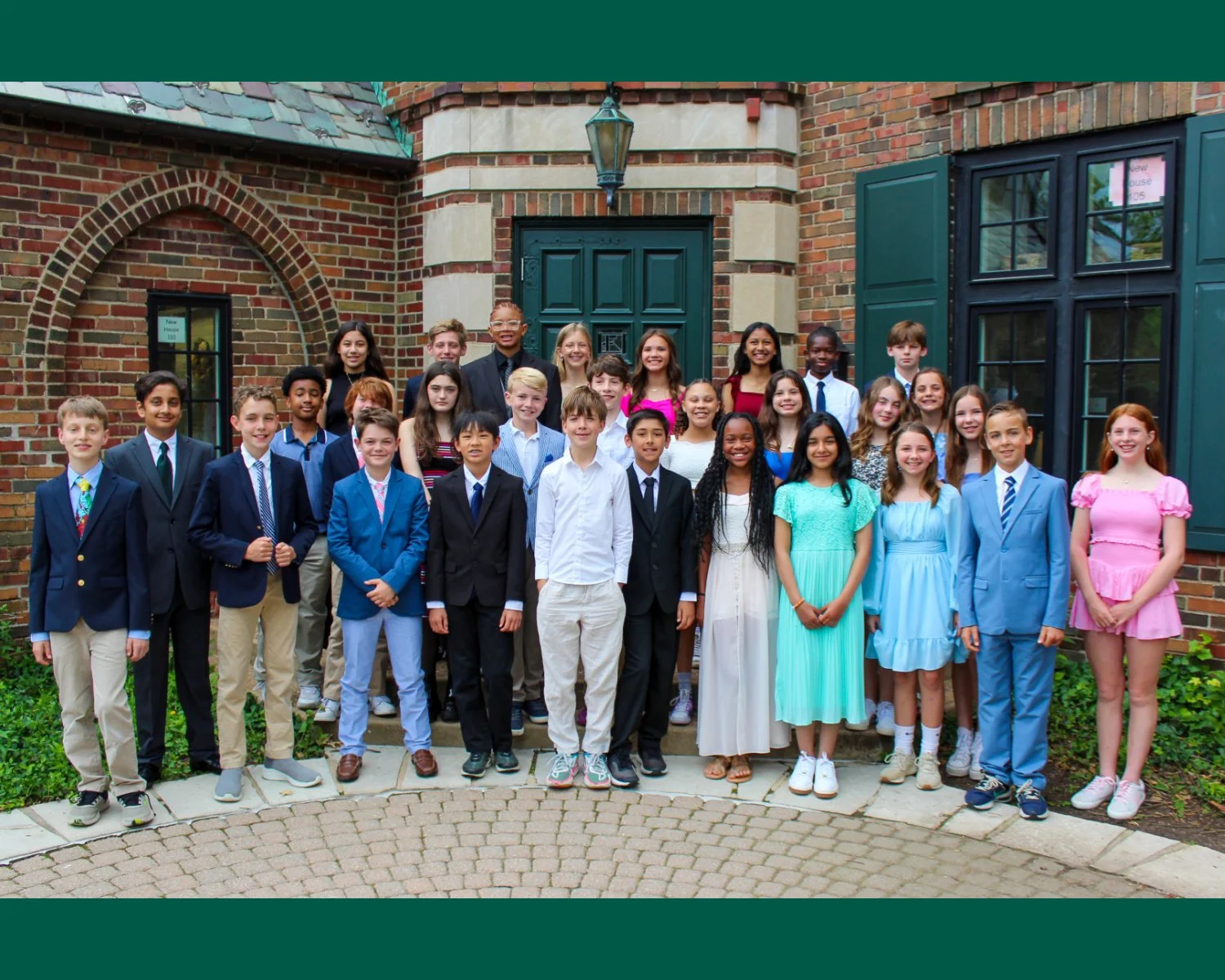
Class of 2025
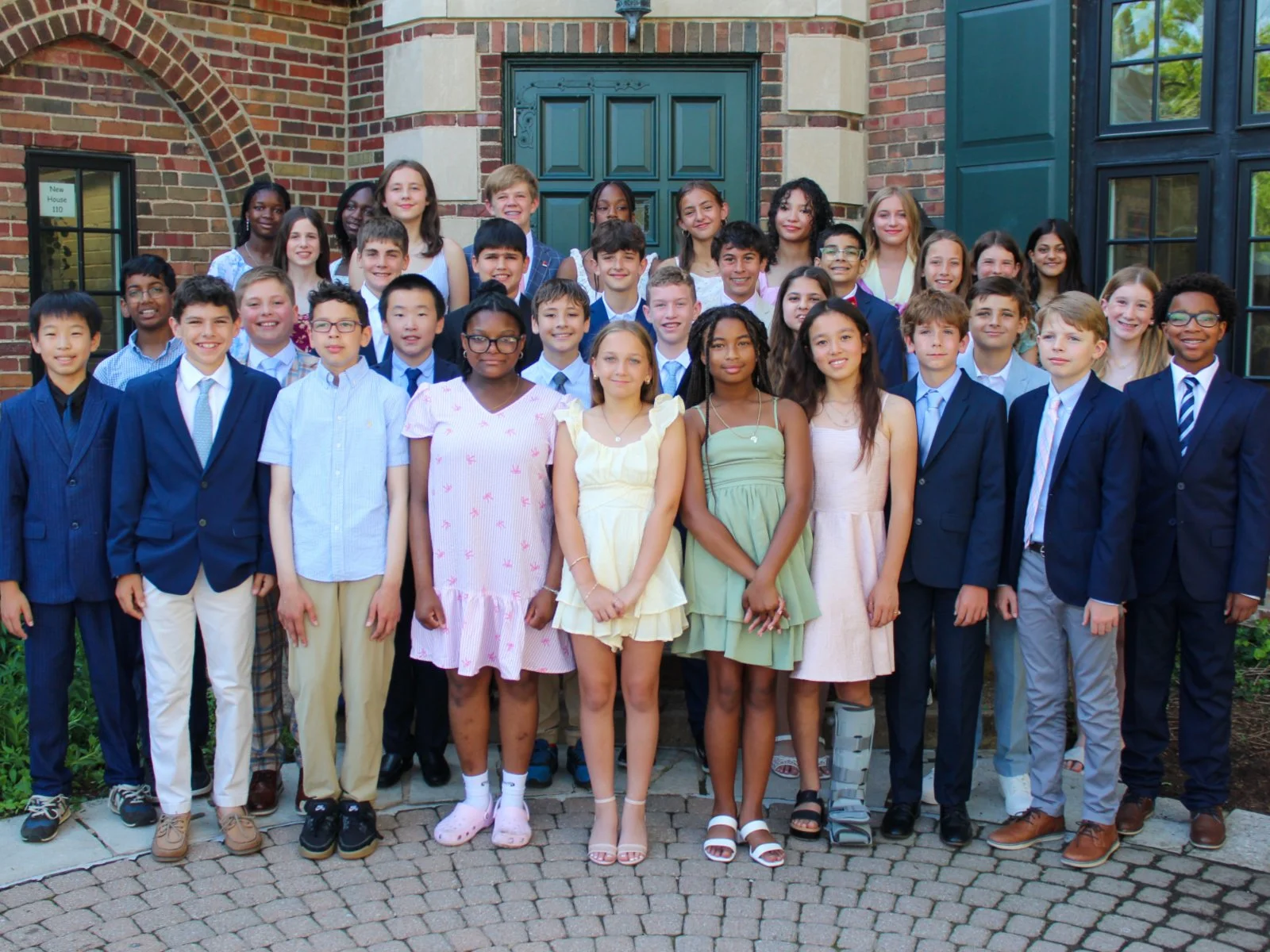
Class of 2026